Last updated November 17, 2026



Free written scope consultation - allowances, timeline, and change-order rules on paper before a single trade is scheduled
Construction Permits, Codes & Inspections in Buena Park, CA: What You Need to Know
Most Buena Park homeowners assume permits are for the big stuff. A full room addition, a second story, maybe a new foundation. Everything else, they figure, falls under the radar. The truth runs the other way: the projects people skip permits on are almost always the small, ordinary ones. A patio cover. A fence. A water heater swap. These are exactly the scopes that draw the most scrutiny when a property changes hands, cosmetically or otherwise. A built structure that looks permitted and isn’t is a liability that travels with the property until someone proves otherwise. What follows is a plain guide to how Buena Park’s permitting system actually works, which scopes trigger it, and how to get an existing unpermitted project legalized before it becomes a problem.
Quick Answer
In Buena Park, most structural work requires a building permit from the city’s Building & Safety Division: room additions, ADUs, patio covers, fences over a certain height, water heater replacements, electrical panel upgrades, and any work that changes a structure’s footprint or load path. The process is faster than most homeowners expect – a straightforward residential permit typically clears plan review in a matter of weeks, not months – and an ADU application can move faster still if it meets the state’s streamlined approval criteria. Unpermitted work, meanwhile, can surface at resale, refinance, or an insurance claim and force expensive corrections. The full picture, scope by scope, is below.
Styles & brands we work with
- Kitchen remodeling
- Bathroom remodeling
- Home additions & ADU
- Roofing
- Windows & doors
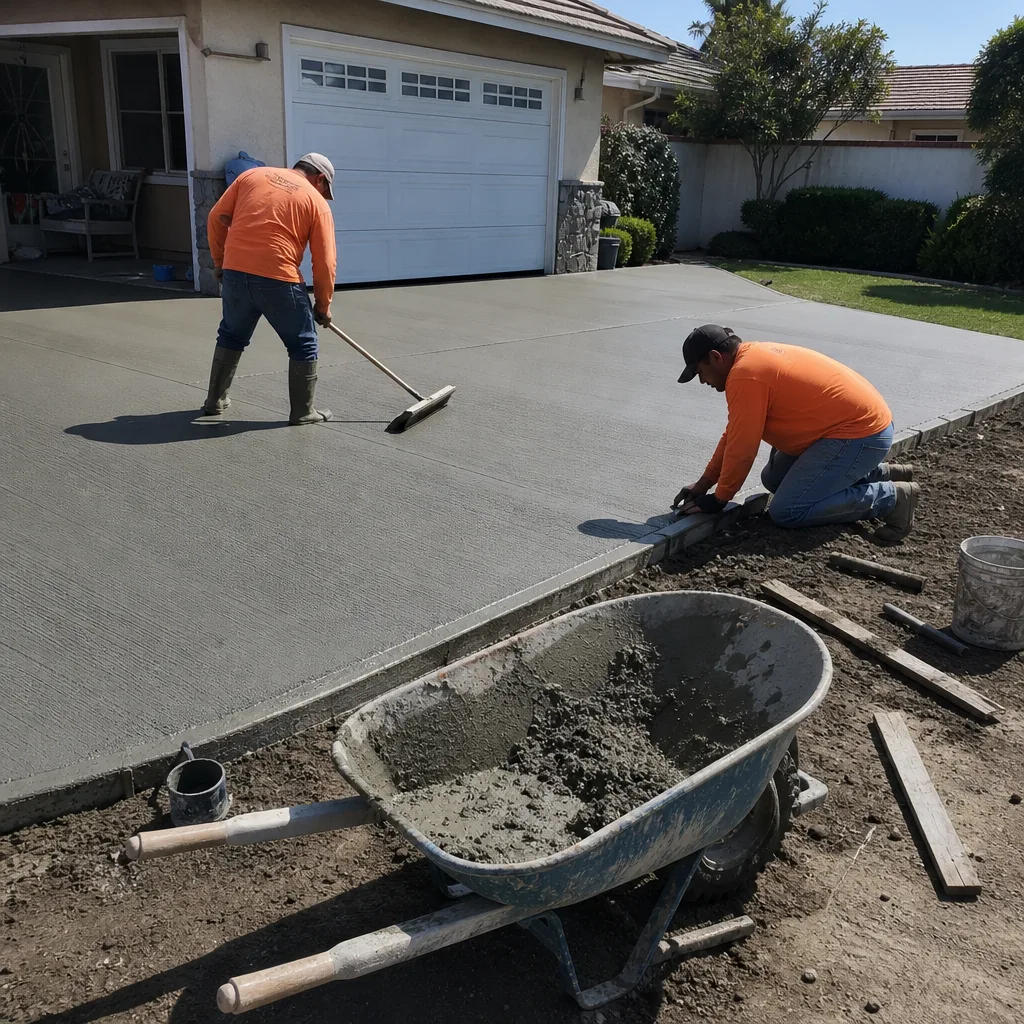
- Driveway & pavers
- Fence
Table of Contents
- Which projects require a permit in Buena Park?
- Building permit, OCFA clearance, or SCAQMD notification – which do you need?
- ADU permits in Buena Park: state streamlining vs. local review
- How Buena Park inspections work, stage by stage
- What unpermitted work costs you at resale, refinance, and claim time
- Legalizing existing unpermitted work in Buena Park
- Common Mistakes to Avoid
- When to Call a Professional
Which projects require a permit in Buena Park?
Buena Park’s Building & Safety Division reviews residential work against the California Building Standards Code as adopted locally, plus the city’s own zoning and development standards. A permit is required whenever work affects a structure’s footprint, load-bearing capacity, or life-safety systems. It’s also required for a few ordinary things homeowners routinely skip. The clearest way to sort this is by category, not by how big the project feels.
Here’s a working list of the scopes that come up in Buena Park, organized by whether a permit is typically triggered:
- Room additions and structural alterations: Permit required. Any change to the footprint or to a load-bearing wall needs plan review.
- Accessory dwelling units (ADUs): Permit required, and the unit type determines whether you’re in state streamlined approval or local discretionary review (covered below).
- Patio covers and hardscaped shade structures: Attached or freestanding, generally permit-required. This is the single most common unpermitted structure Buena Park inspectors find.
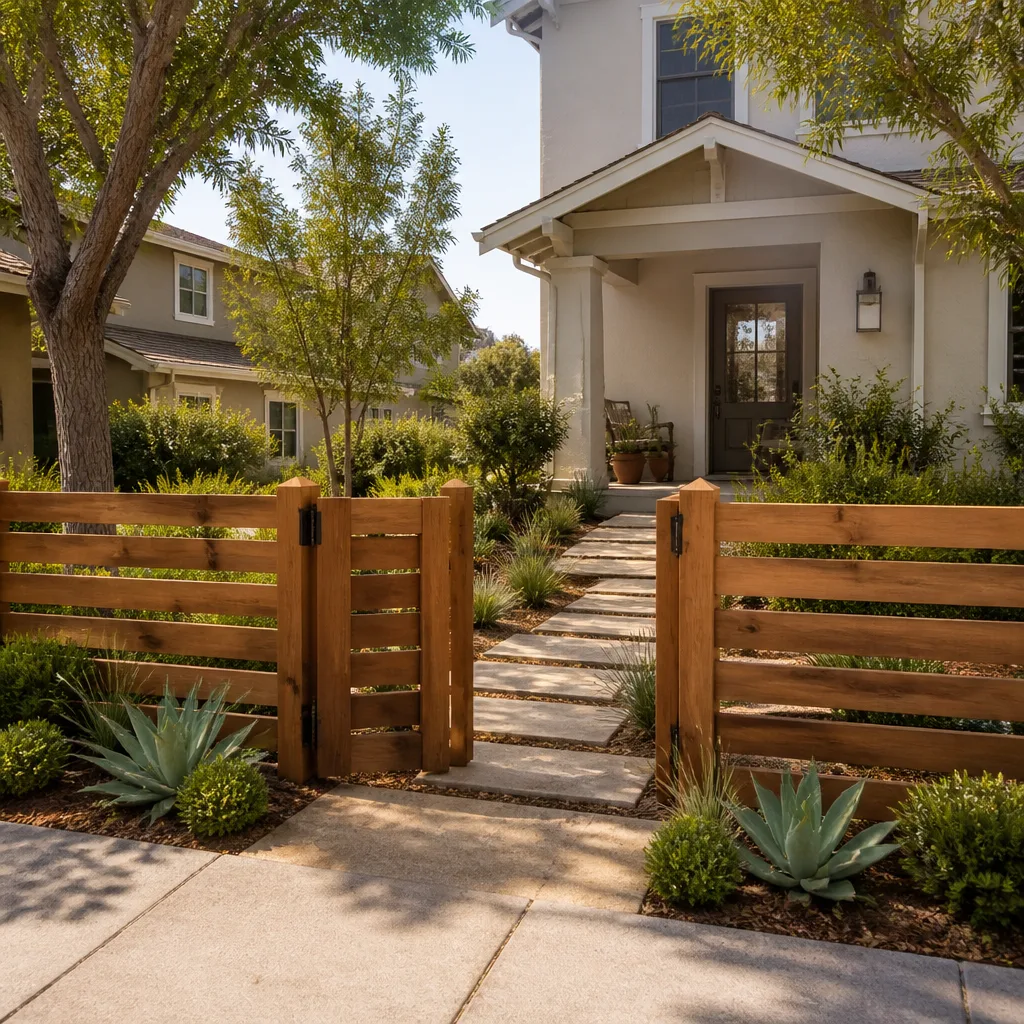
- Fences: A low front-yard fence may not trigger a permit, but Buena Park zoning sets height limits by location (front, side, rear), and a fence over the limit generally does – and always needs a permit when it’s a retaining or load structure. Check the exact height threshold with the city before you build.
- Water heater replacement: Permit required in California for a like-for-like swap, primarily to confirm seismic strapping and venting.
- Electrical panel upgrades: Permit required. There is no “small” panel job.
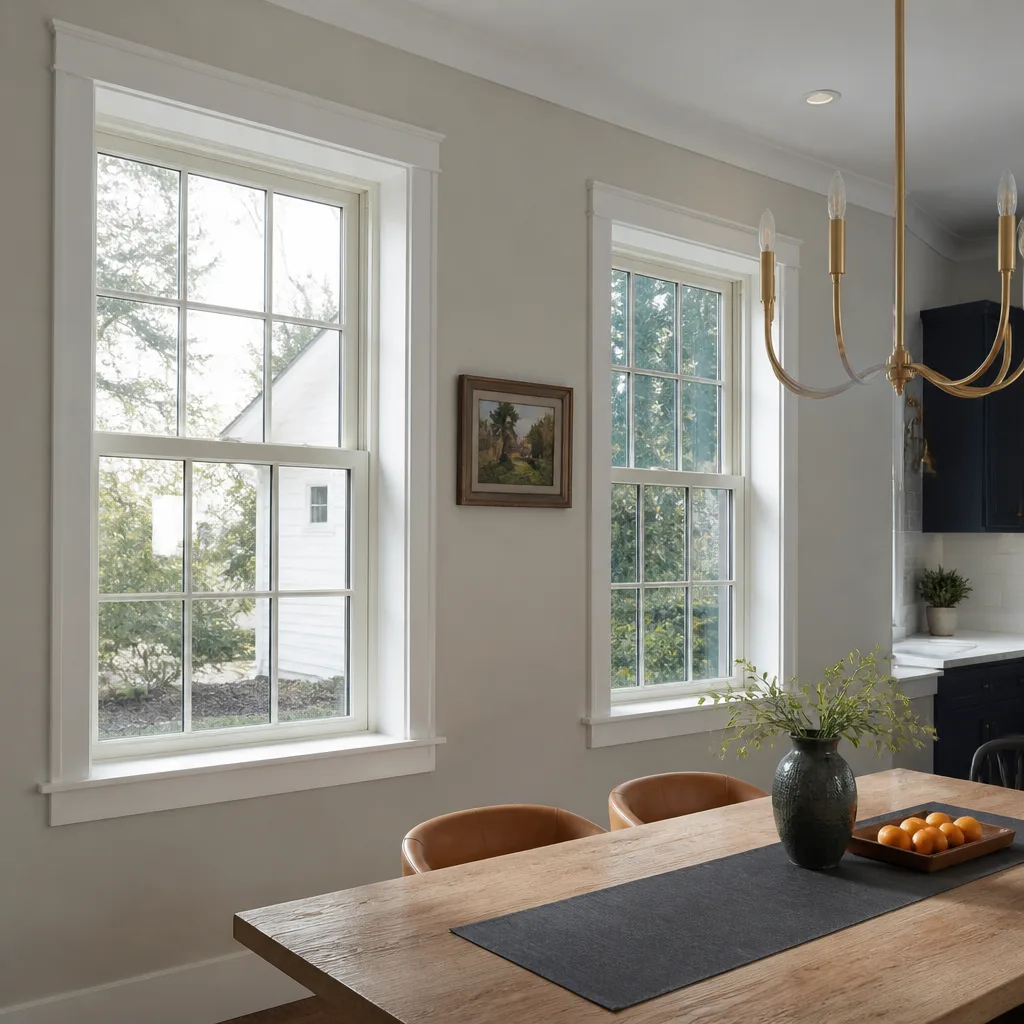
- Windows and doors: A like-for-like replacement is often exempt where the opening size is unchanged, but any new opening or resized opening requires a permit and structural review.
- Roofing: Full reroof permits are required in most California jurisdictions; a small repair often isn’t. Confirm the threshold with Buena Park Building & Safety.
Square footage triggers and valuation thresholds vary by scope and by current code adoption, so the reliable move is to call the permit counter or use the city’s online permit portal before you start. What Buena Park requires today can differ from what a neighbor was told a few years ago, because codes update on a cycle.
Building permit, OCFA clearance, or SCAQMD notification – which do you need?
This is the question that trips up most Buena Park homeowners, and it’s genuinely confusing because three separate agencies can be involved in what feels like one project. A Buena Park building permit is a city matter. An Orange County Fire Authority clearance is a fire and life-safety matter, handled by the county authority rather than the city. A South Coast Air Quality Management District (SCAQMD) notification is an air-quality matter. Each one attaches to a different project type.
Here’s how the three break down:
- Buena Park building permit: Nearly every structural, electrical, plumbing, or mechanical project needs one. This is the base layer.
- Orange County Fire Authority (OCFA) clearance: Required on projects where fire access, defensible space, sprinkler systems, or fire-rated assemblies come into play. A small residential remodel often doesn’t need it. A new ADU, a major addition, or anything affecting access roads or fire hydrant distance may.
- SCAQMD notification: Demolition and renovation projects that disturb a threshold amount of material must file a simple notification with the air district before work begins, to address dust control and safe handling of building materials. Full demolition of a structure is the classic case.
Which projects need all three? In practice, a full demolition followed by new construction is the case where a homeowner can expect to coordinate all three: a Buena Park building permit for the new work, an OCFA clearance if the new structure affects fire access, and an SCAQMD notification filed before the first wall comes down. A kitchen remodel inside the existing walls? Almost always just the building permit. Any contractor who tells you “none of these apply” on a full demo is a red flag.
The cleanest way to keep this straight is to have the person pulling your permits confirm in writing which agency approvals are in scope. When we manage a project that spans categories, the permit-naming piece is part of the written scope, so the homeowner isn’t left to discover a missing OCFA clearance after framing.
ADU permits in Buena Park: state streamlining vs. local discretionary review
ADUs are the single biggest source of permit confusion in Buena Park right now, and the reason is that state law has steadily narrowed the city’s ability to say no. The California ADU statute overrides a lot of local discretion, but not all of it. Which path your ADU takes depends on the unit type and how it’s built.
The two paths look like this:
- State-streamlined approval: A compliant ADU that meets the state’s size, height, setback, and parking criteria generally must be approved by the city, regardless of local zoning objections. This can include attached and detached units within the state size limits. Plan review still happens, but the approval is less discretionary.
- Local discretionary review: ADUs that go beyond the state size and height limits, or sit outside the streamlined criteria, go through the city’s own design and zoning review. That’s where site-specific constraints – lot coverage, setback conflicts, hillside or easement issues – can come into play.
Where this gets practical is in the ADU type itself. Site-built construction and prefab systems each go through plan review, but a factory-built unit from a manufacturer like Abodu or Dvele sometimes arrives with state compliance documentation already in hand, which can shorten the local review. That’s not a guarantee of faster approval; it depends on the specific unit and the current Buena Park review queue. It does mean the code compliance question is often more worked out before the permit is submitted.
Our own experience with home additions & ADU projects is that the ADU permit application succeeds or stalls on the site plan. A precise, dimensioned site plan showing setbacks, drainage, and utility connections is what keeps a Buena Park ADU permit moving. Vague site plans are where most of the delay happens, not the unit design itself.
How Buena Park inspections work, stage by stage
Buena Park inspections are requested through the city’s online permitting portal, and the city generally sets inspection windows by the next business day or shortly after, depending on the inspector’s route. The mistake homeowners make is not the inspection itself – it’s not being ready for it. An inspector who arrives to find the site not prepared will fail the inspection, and a failed inspection becomes a re-inspection, which becomes a delay. Everything below is what to have ready at each stage.
- Pre-construction / permit issuance: Approved plan set on site, permit card posted, contractor and sub-contractor information on file. This isn’t an inspection stage so much as the thing that gets you scheduled for the first one.
- Foundation / pre-pour: Rebar spacing, anchor bolts, and underground plumbing and electrical all confirmed and visible before concrete. Do not pour without an inspector’s sign-off. This is the most common fail point on additions and ADUs.
- Framing: Structural nailing, shear bracing, and rough-in electrical and plumbing all complete and exposed. The inspector wants to see the bones, so don’t drywall before this pass.
- Rough trade inspections: Electrical, plumbing, and mechanical rough-ins are often signed off at or around framing. Each has its own check, so confirm with your permit that all three are scheduled together when applicable.
- Insulation / pre-drywall: Insulation installed and visible, window and door flashing confirmed. Easy to miss, easy to fail if drywall goes up first.
- Final inspection: All systems complete and functional, finals scheduled per trade, site clean. This is the sign-off that closes the permit and the one buyers’ inspectors check first at resale.
The broader point: an inspection schedule is a project schedule. If you know the inspection stages up front, you can plan the build around them instead of discovering them when a job stalls. Same-day scheduling sometimes works for a single re-inspection, but the reliable way to keep a project moving is to call inspections in as each stage completes rather than batching them at the end.
What unpermitted work costs you at resale, refinance, and claim time
Unpermitted work doesn’t announce itself. It sits there looking fine until a buyer’s inspector, an appraiser, or an insurance adjuster starts asking questions. Then it becomes a problem for the current owner, even if a previous owner or a contractor now long gone did the work. California’s disclosure law means a seller has to disclose known unpermitted work, and that disclosure changes the whole conversation at the negotiating table.
Here’s what unpermitted work typically triggers:
- Resale: The buyer’s inspector flags it, the buyer’s lender or appraiser raises it, and the seller has to either correct it, credit it, or disclose and renegotiate. A patio cover or fence that isn’t on the permit records is enough to trigger the conversation.
- Refinance: An appraiser who finds a structure or addition not reflected in the permit file may decline to include it in the appraised value, which reduces the home’s appraised number and can shrink a refinance.
- Insurance claims: If a fire, water loss, or wind event damages an unpermitted structure, the insurer can dispute the claim on the grounds that the structure wasn’t code-compliant. That’s a coverage question you don’t want to be answering after a loss.
The underlying issue is that an unpermitted structure is often built to a lower standard, because nobody enforced the building code on it. An electrical panel that was never inspected can be a genuine safety hazard, not just a paperwork problem. We always tell homeowners that the safety question and the paperwork question are the same question: an inspected structure is one that was built to a code someone checked.
Legalizing existing unpermitted work in Buena Park
There’s a legitimate path to legalizing existing unpermitted work in Buena Park, and it’s less complicated than most homeowners expect. The mechanism is called an “as-built” permit: you apply for a permit on the work as it stands, not on a new design. The city inspects what’s there, and if it meets current code (or can be brought into compliance with the inspector’s listed corrections), the work gets a record and a final sign-off.
Here’s how that path generally runs:
- Confirm what’s actually on the record. Pull the property’s permit history from Buena Park Building & Safety to see what was permitted and when. Sometimes “unpermitted” work was permitted under a previous owner and simply not recorded properly.
- Have the existing structure documented. An as-built permit needs a plan showing what’s actually there: dimensions, framing, electrical rough-in, plumbing. This is where an experienced contractor’s site assessment pays for itself.
- Submit the as-built application. Buena Park reviews it against current code and issues a correction list where the existing work falls short.
- Complete the corrections. These can range from a simple fix (a missing seismic strap on a water heater, a handrail) to a real rebuild (undersized framing, unapproved electrical). The scope depends entirely on what the inspector finds.
- Schedule the inspections and close the permit. Once the work passes the required stages, the structure is legal and recorded.
Realistic cost ranges depend heavily on what the inspector finds, so treating any estimate as firm before the assessment is a mistake. A simple legalization on a small structure can be modest. A rebuild-level correction on a framed addition is a different project. The important thing is that the path exists and it’s far cheaper than the forced demolition that disclosure at resale can bring. A written, line-item estimate from a contractor who has run as-built permits in Buena Park is the right starting point.
Common Mistakes to Avoid
- Assuming a fence doesn’t need a permit. Buena Park zoning sets fence height limits by location, and a fence over the limit generally does require a permit. Check the height rule for your specific yard location before building.
- Treating a patio cover as a shade structure, not a structure. Attached and freestanding patio covers are the most common unpermitted structure inspectors find in Buena Park. They’re structures, and they need a permit.
- Skipping the water heater permit. It’s a small permit with a real reason behind it: seismic strapping and venting are life-safety items, and the permit is what confirms both.
- Assuming a window swap is always exempt. Like-for-like replacements often don’t need a permit, but any new opening or resized opening does, because it affects the wall’s structural and shear capacity. Don’t guess on a resized window.
- Batching all inspections at the end of a project. Inspections should be called in stage by stage, starting with the foundation pre-pour. Batching them at the end is the fastest way to fail a rough inspection because the framing is already covered.
- Letting a contractor tell you the demo doesn’t need an SCAQMD notification. A full demolition generally does need the air-district notification filed before work begins. If your contractor waves it off, ask for the confirmation in writing.
- Leaving an unpermitted structure in place at resale. California disclosure law means you have to disclose known unpermitted work, and a disclosed structure is a negotiating chip in the buyer’s favor. Legalizing it before listing avoids that whole conversation.
When to Call a Professional
Some permit questions you can answer with a call to the city. Others need a contractor who has done the work, because the answer is entangled with the build itself. That’s the case when: you’re planning a room addition or ADU and need the permit scope, site plan, and inspection stages mapped to a budget and a timeline; an as-built legalization needs an honest assessment of what’s actually there and what the corrections will cost; a project spans several trades (a patio, fence, and hardscape project, for example) and the permit requirements differ across them; or a resale is coming up and you need to know which structures will show up on an inspector’s report. A full-property contractor who handles the permit and inspection side as part of the scope is the right call in every one of those cases.
Construction Buena Park offers free estimates in Buena Park – call (833) 348-5952. We answer 24/7. Fast dispatch from 7am to 7pm, Sunday through Friday. Estimates are free and the written estimate sets the final price. Our technicians have up to 14 years of experience, and we pull the permits and pass the inspections as part of the work – one contractor from the driveway to the roofline, so you’re not chasing a separate trade for every permit.
See the difference
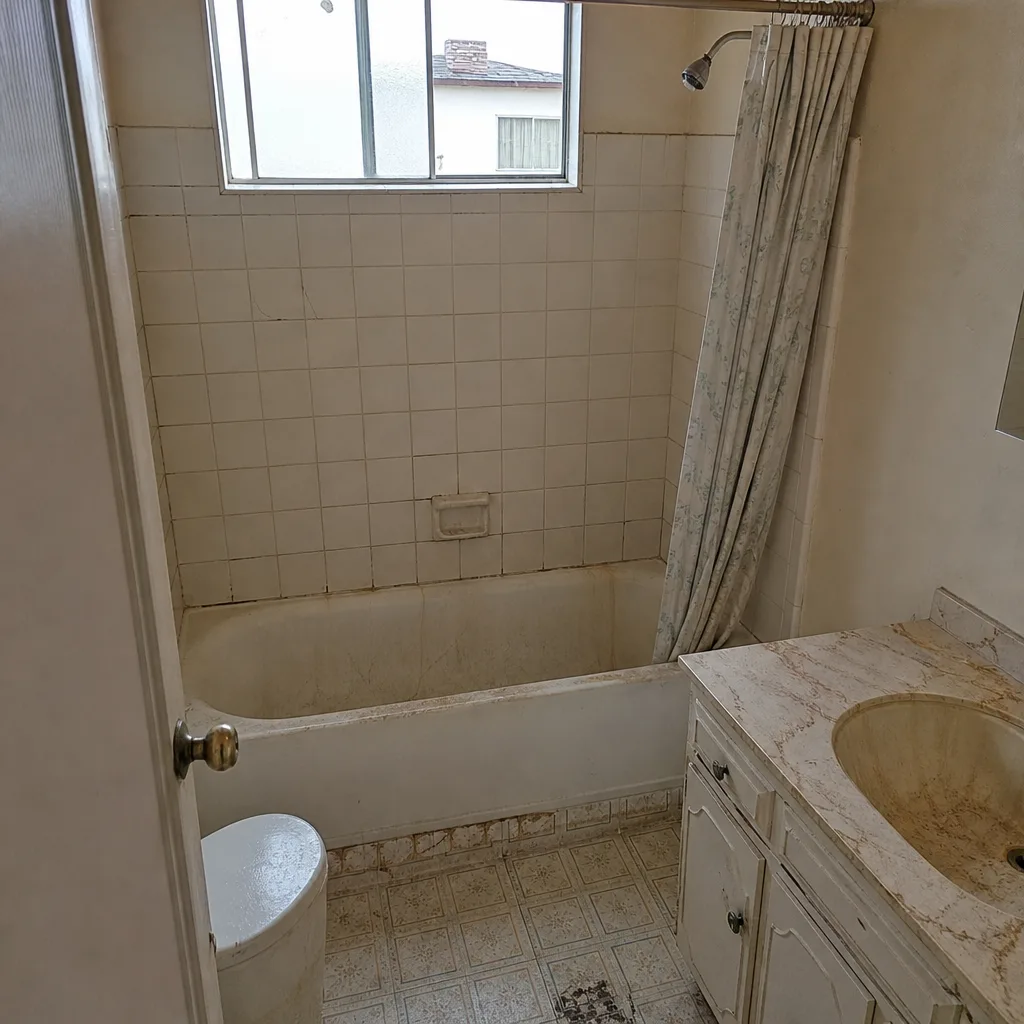 Before
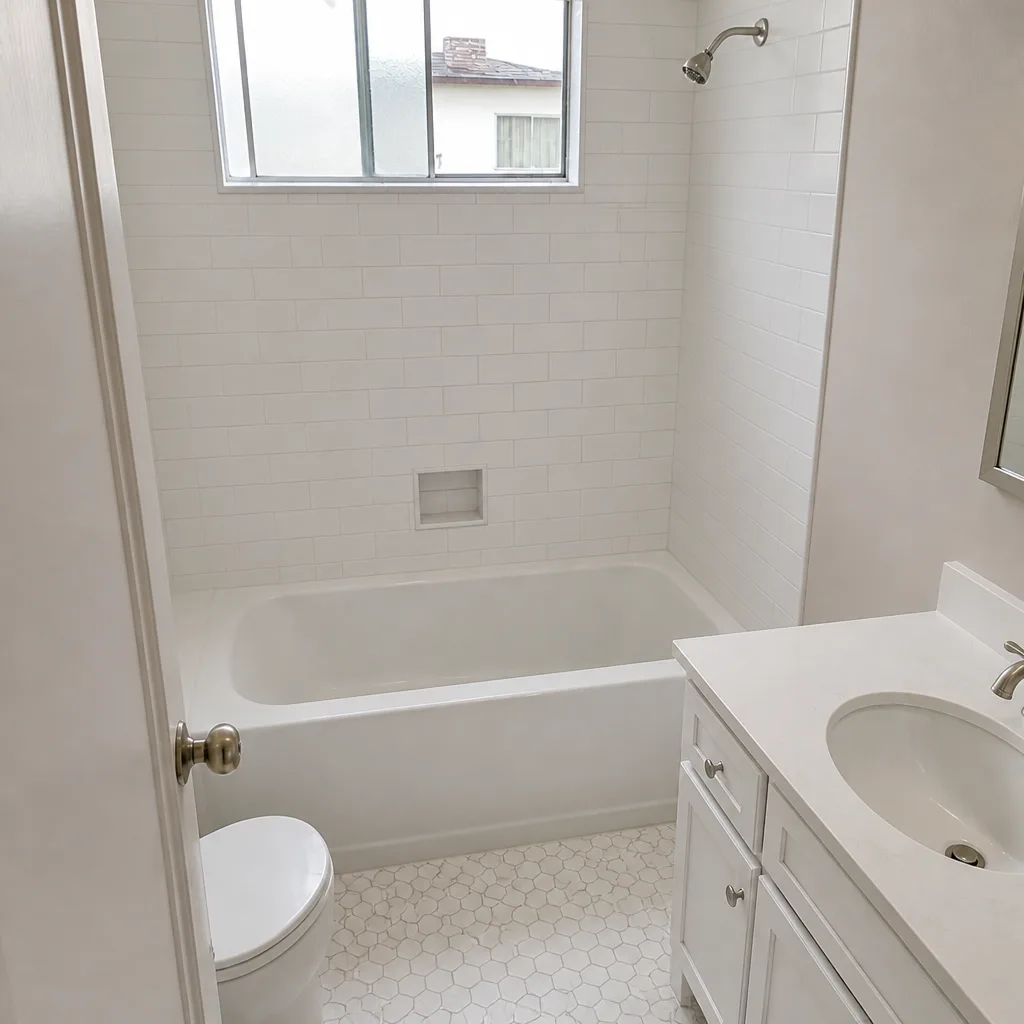 After
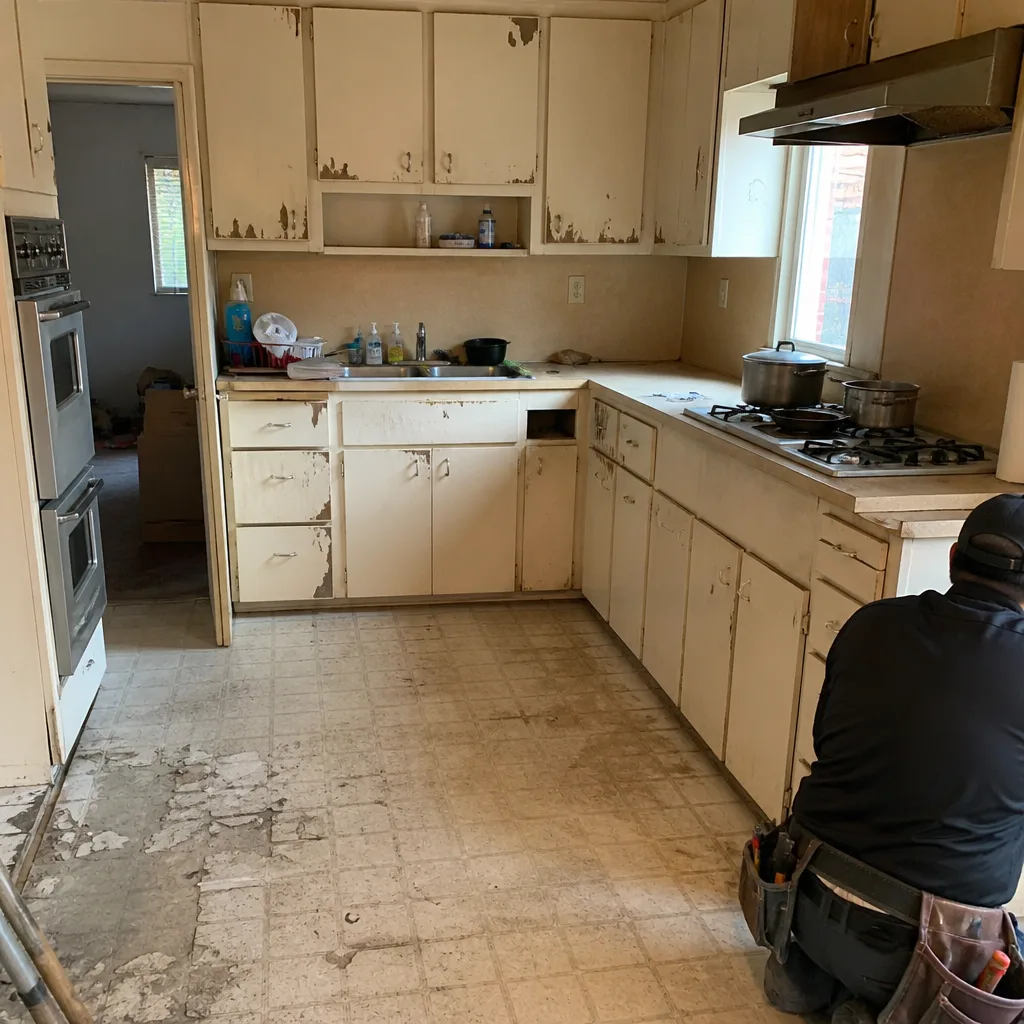 Before
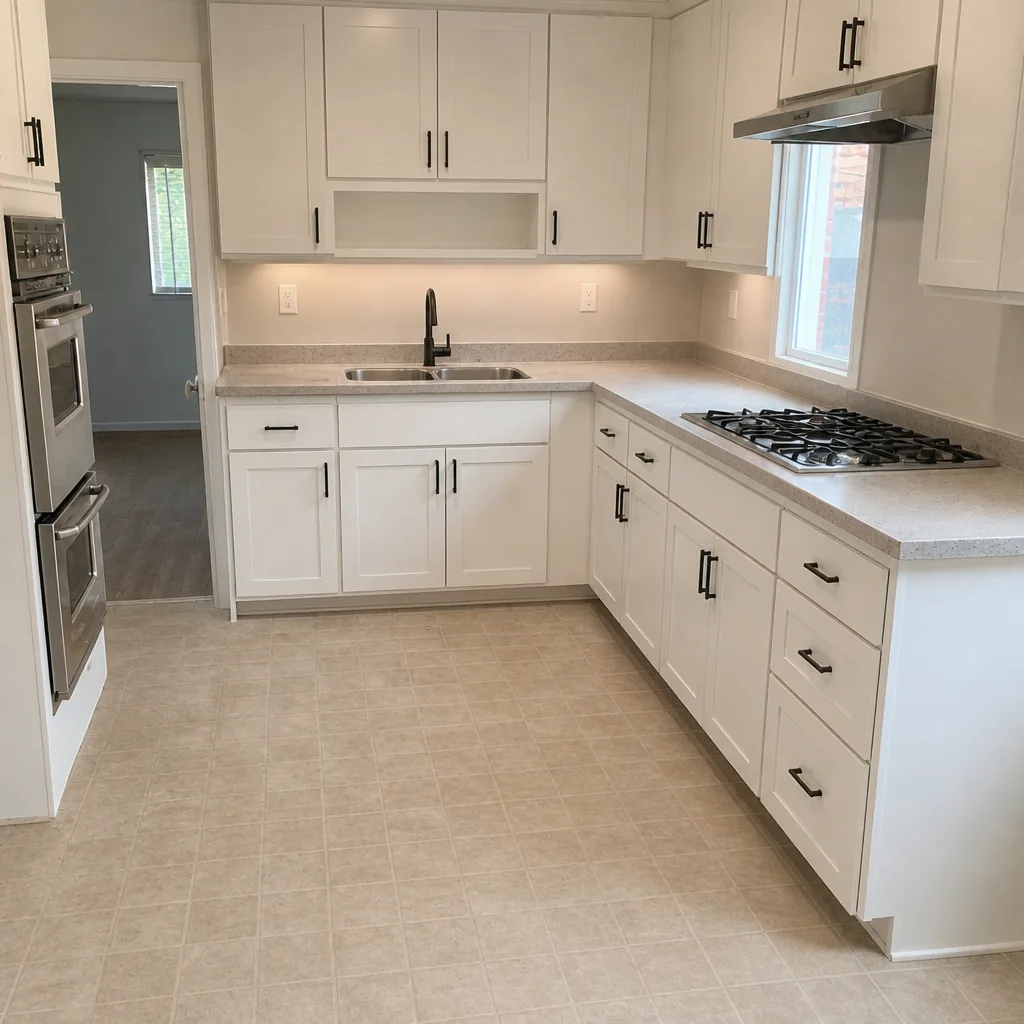 After
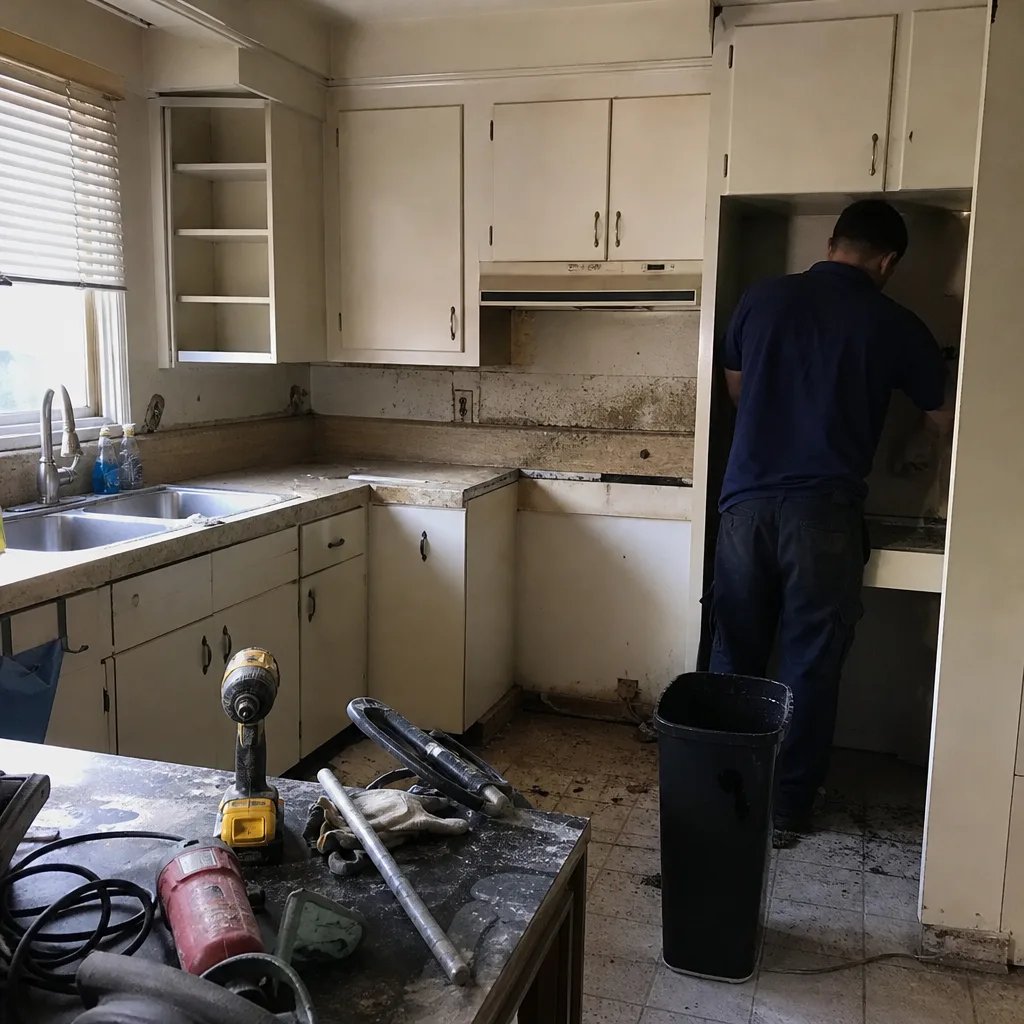 Before
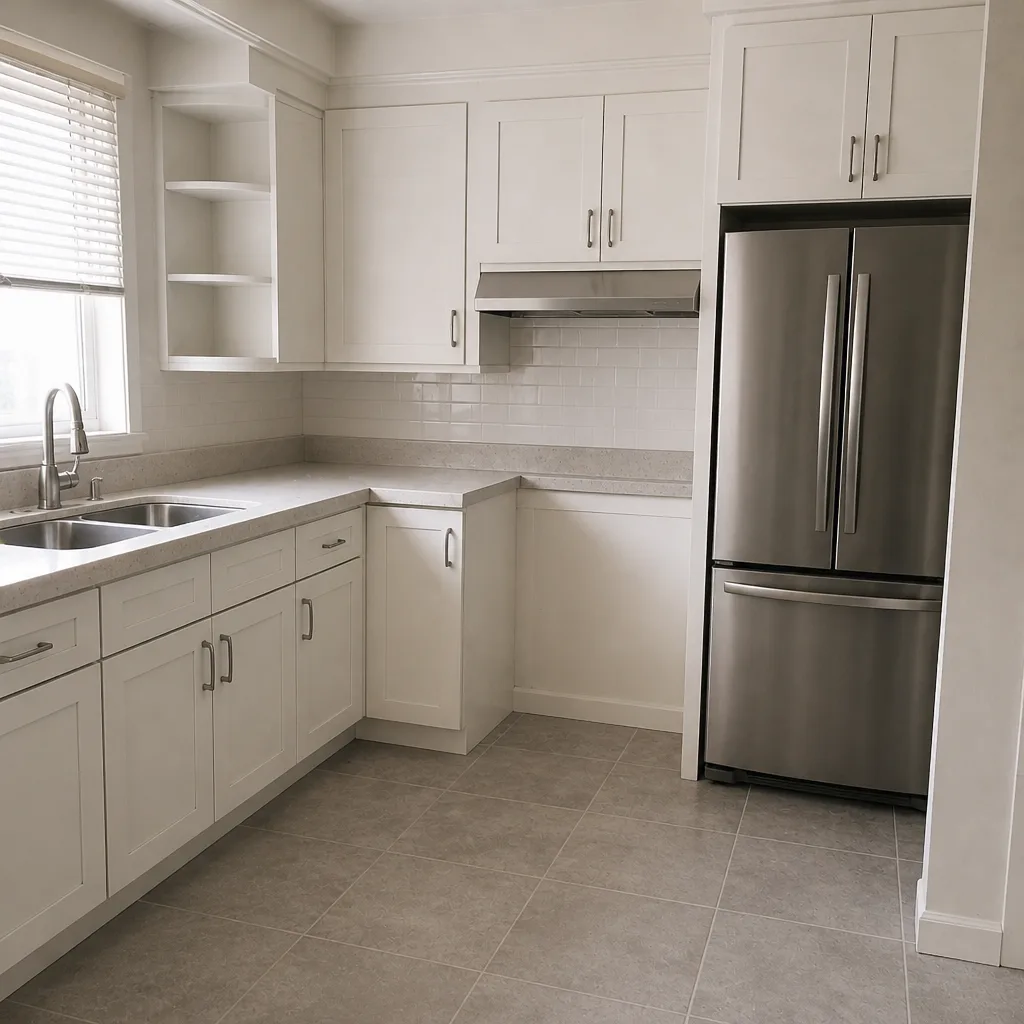 After
Frequently Asked Questions
Yes, generally. An attached or freestanding patio cover is a structure, and in Buena Park it requires a building permit, which is why unpermitted patio covers are one of the most common issues inspectors find at resale. Call (833) 348-5952 for an estimate on a permitted patio cover or legalization of an existing one.
For a straightforward residential project, Buena Park plan review typically clears in a matter of weeks rather than months, and a compliant ADU application can move faster if it meets state streamlined approval. The timeline depends on the scope and the current review queue, so treat any estimate as a target, not a guarantee. Call (833) 348-5952 and we’ll walk through the permit scope before you commit.
A Buena Park building permit is a city review of structure, electrical, plumbing, and mechanical work. An Orange County Fire Authority clearance is a separate fire and life-safety review that applies when a project affects fire access, sprinkler systems, or fire-rated assemblies, and where both apply, you need both. Call (833) 348-5952 and we’ll confirm which approvals your project needs.
Generally yes for a full demolition or a larger renovation that disturbs enough material. The South Coast Air Quality Management District requires a simple notification filed before work begins, separate from the city building permit. Call (833) 348-5952 for an estimate that includes the notification and permit coordination.
In many cases, yes. An as-built permit lets you apply for a permit on the existing work, have the city inspect it, and bring the work into compliance rather than demolishing it. Realistic cost ranges depend on what the inspector finds, and the written estimate sets the final number. Call (833) 348-5952 for a free assessment and estimate.
Not if the scope is written correctly. A line-item written estimate that accounts for permits, inspections, and any foreseeable corrections is what keeps the price fixed, and it’s the only honest way to price a permit-inclusive job. Call (833) 348-5952 for a free, no-pressure written estimate.
The Bottom Line
The permit system in Buena Park isn’t designed to slow you down. It’s designed so that a structure is built to a code someone actually checked, which matters when you sell, refinance, or file a claim. The small projects people skip – a fence, a patio cover, a water heater – are the ones that come back around. The path forward is the same in every case: confirm the permit scope, use the city’s online portal to schedule inspections stage by stage, and if you find unpermitted work, get an as-built permit before it becomes a resale problem. The process is faster than it looks from the outside. Get the paperwork right the first time and it stays right.
Whether you’re planning a driveway & pavers project, a fence installation, or a full addition, permits are part of the job, not an afterthought. For a full-scope residential contractor in Buena Park who handles seven trade categories under one contract – from hardscape and fencing to roofing, windows, kitchens, baths, and ADUs – the permitting side is included. Call (833) 348-5952 for a free estimate. We answer 24/7. Fast dispatch from 7am to 7pm, Sunday through Friday.
Written by the team at Construction Buena Park.