Last updated November 17, 2026

Free written scope consultation - allowances, timeline, and change-order rules on paper before a single trade is scheduled
Construction Cost Breakdown: The Buena Park Homeowner’s Reference for 2026
Most cost guides tell you a kitchen remodel costs “between $15,000 and $100,000.” That range is useless. It spans a cosmetic cabinet swap and a full structural renovation, and it tells you nothing about what you’ll actually pay for your address. Here’s the misconception we want to correct up front: the biggest gap between a 2023 quote and a 2026 quote isn’t material inflation. It’s code. California’s energy and water rules have added mandatory line items to jobs that never had them before, and any estimate built on an old template is already wrong. In this guide we’ll break down real Buena Park cost ranges by category, explain the OC-versus-LA labor gap, and show you how to structure a contract that survives a volatile material year.
Quick Answer
Construction costs in Buena Park in 2026 run roughly 15-25% higher than LA County benchmarks for the same scope, driven by OC labor premiums, Title 24 energy compliance, and CalGreen mandatory measures layered into every permit pull. A mid-tier bathroom remodel lands around $34,000-$38,000, a standard roof replacement around $18,000-$28,000, and a detached ADU anywhere from $180,000 to $380,000 depending on whether you go site-built or prefab. The full breakdown, category by category, is below.
Styles & brands we work with
- Kitchen remodeling
- Bathroom remodeling
- Home additions & ADU
- Roofing
- Windows & doors
- Driveway & pavers
- Fence
Table of Contents
- Why Buena Park Costs Differ From LA County
- California Code Adders Most Estimating Tools Miss
- Kitchen and Bathroom Cost Benchmarks for 2026
- Roofing, Windows, Driveway, and Fence Costs
- ADU and Home Addition Cost Ranges
- Material Volatility and How to Contract Around It
- The Hidden Cost of Single-Trade Coordination
- Common Mistakes to Avoid
Why Buena Park Costs Differ From LA County Benchmarks
Buena Park sits at a specific intersection of labor markets. It’s in Orange County, but it borders LA County to the north and west, which means subcontractors who work here are bidding against OC rates while competing with a deep LA labor pool literally across the border. In practice, that creates a cost band that’s neither pure OC nor pure LA. National estimating tools usually split the difference and get it wrong in both directions.
The trade labor picture matters more than it sounds. Framing crews, licensed electricians, and roofers in this corridor all carry the same issue: overlap demand from large-scale commercial work in Anaheim and Anaheim Hills pulls the same crews that would otherwise take residential jobs in Buena Park. That competition for the same skilled trades is what pushes labor to a premium over LA County numbers, which tend to run flatter because the pool is deeper and the commercial pull is more spread out.
Three things drive the gap:
- Wage floor premium. Licensed trades working in Orange County bid against a higher cost-of-living baseline than their LA counterparts. That doesn’t mean every job costs 20% more, but it does mean the labor line on your estimate will reflect OC rates even when the crew is based in LA.
- Commute and mobilization. Contractors who don’t typically work this corridor charge more to mobilize here. That’s a real line item, and it’s invisible in most cost calculators.
- Tighter permit review timelines. Buena Park’s plan review process moves differently than larger OC cities. When permits take longer, the contractor’s carrying cost goes up, and that cost reaches your invoice.
In our experience, a homeowner comparing a Buena Park bid against a quote from a friend in Long Beach will see the Buena Park number come in higher and assume they’re being overcharged. Often the two numbers aren’t comparable at all, because the scope, permit requirements, and labor rates are genuinely different. When you’re Construction Buena Park-based and hiring local, you’re paying for the local cost structure whether or not you know it.
California Code Adders Most Estimating Tools Miss
Here’s the part that breaks the old rule of thumb that a bathroom remodel costs roughly $200-$300 per square foot. In Buena Park in 2026, it costs more, and the reason is code compliance that most out-of-state cost estimators don’t track.
Three California-specific adders show up in nearly every permitting project:
- Title 24 energy compliance. Any project that touches the building envelope, windows, doors, or HVAC triggers Title 24. That means the prescriptive or performance path gets calculated and documented, and specific materials or systems may be mandated regardless of what you wanted. Skip this and your permit fails.
- CalGreen mandatory measures. California’s green building code applies to residential additions and remodels above certain thresholds. It affects water fixtures, construction waste diversion, and interior air quality requirements. Water-efficient toilets and showerheads aren’t optional if you’re pulling a permit for a bathroom.
- SCAQMD coating restrictions. South Coast Air Quality Management District rules limit VOC content in paints, stains, and finishes used in this air basin. The compliant product line often costs more than the non-compliant one.
Each of these is a legitimate, required cost. A 2019-era estimate multiplied by an inflation index would leave all three out, which is exactly how homeowners end up with a five-figure surprise when the permit comes back with revisions.
The practical takeaway: any Buena Park contractor who hands you a ballpark number without asking whether you’re changing the envelope is guessing. A written line-item estimate that lists Title 24 documentation, CalGreen fixtures, and compliant finishes separately is doing the job correctly. Ask for those line items in writing before you sign anything.
Kitchen and Bathroom Cost Benchmarks for 2026
Interior work is where most Buena Park homeowners start, and where the tier gaps are widest. Here’s what we see across the region. These are broad ranges, not quotes, and your written estimate sets the final price.
| Project | Entry Tier | Mid Tier | High Tier | What Moves the Number |
|---|---|---|---|---|
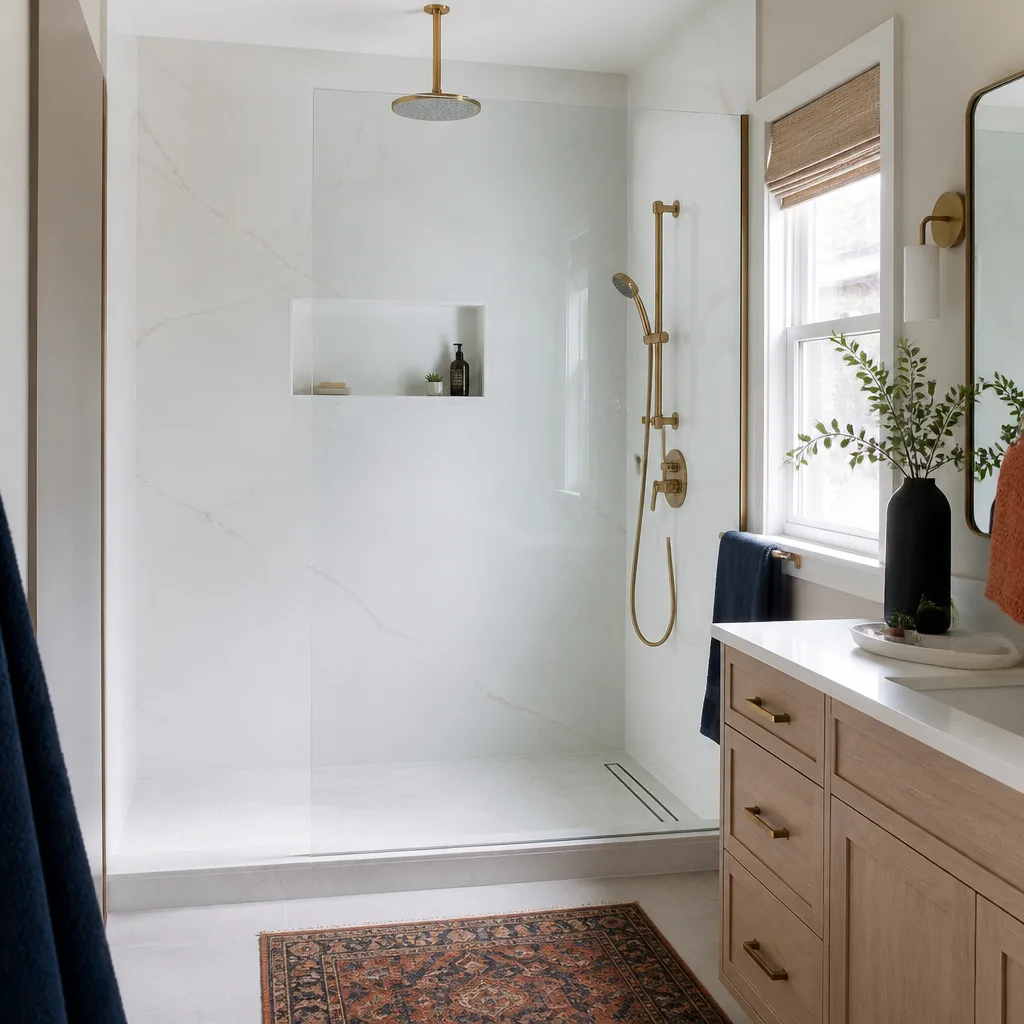
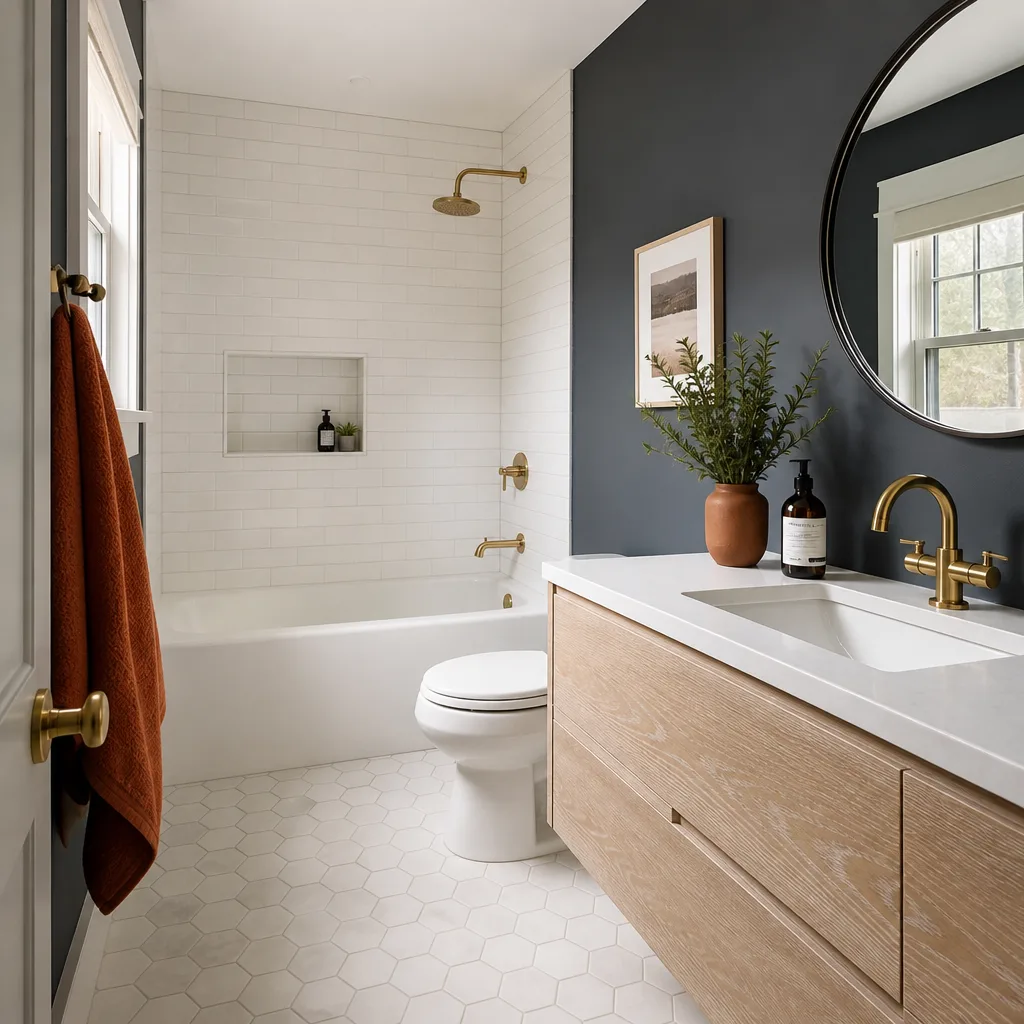
| Full bathroom remodel | $22,000-$28,000 | $34,000-$38,000 | $45,000-$65,000 | Layout changes, tile selection, fixture brand tier, whether the drain is relocated |
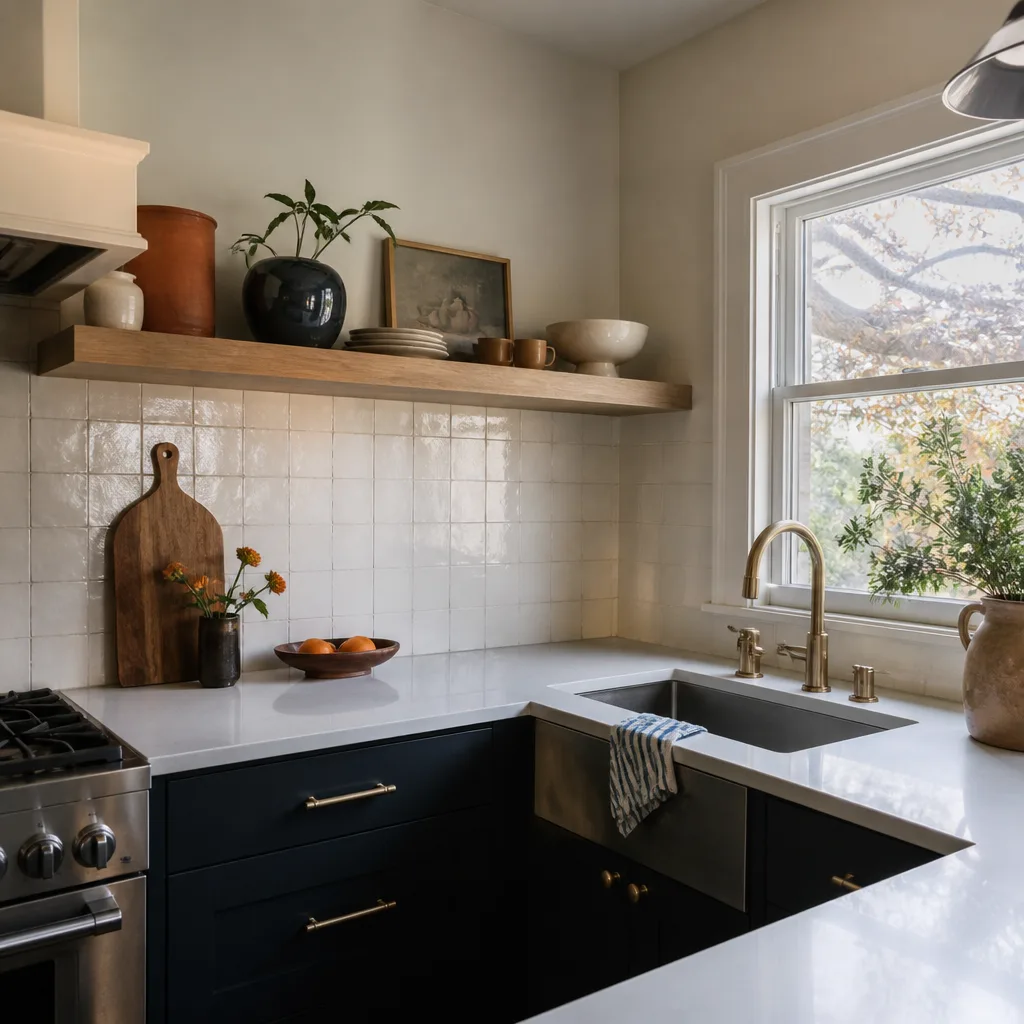
| Kitchen remodel (standard) | $28,000-$40,000 | $55,000-$80,000 | $95,000-$140,000 | Cabinet brand, countertop material, whether walls come down, appliance allowance |
| Kitchen + bath combo | $55,000-$70,000 | $90,000-$120,000 | $150,000-$210,000 | Whether permits combine into one pull, shared plumbing walls, sequencing overlap |
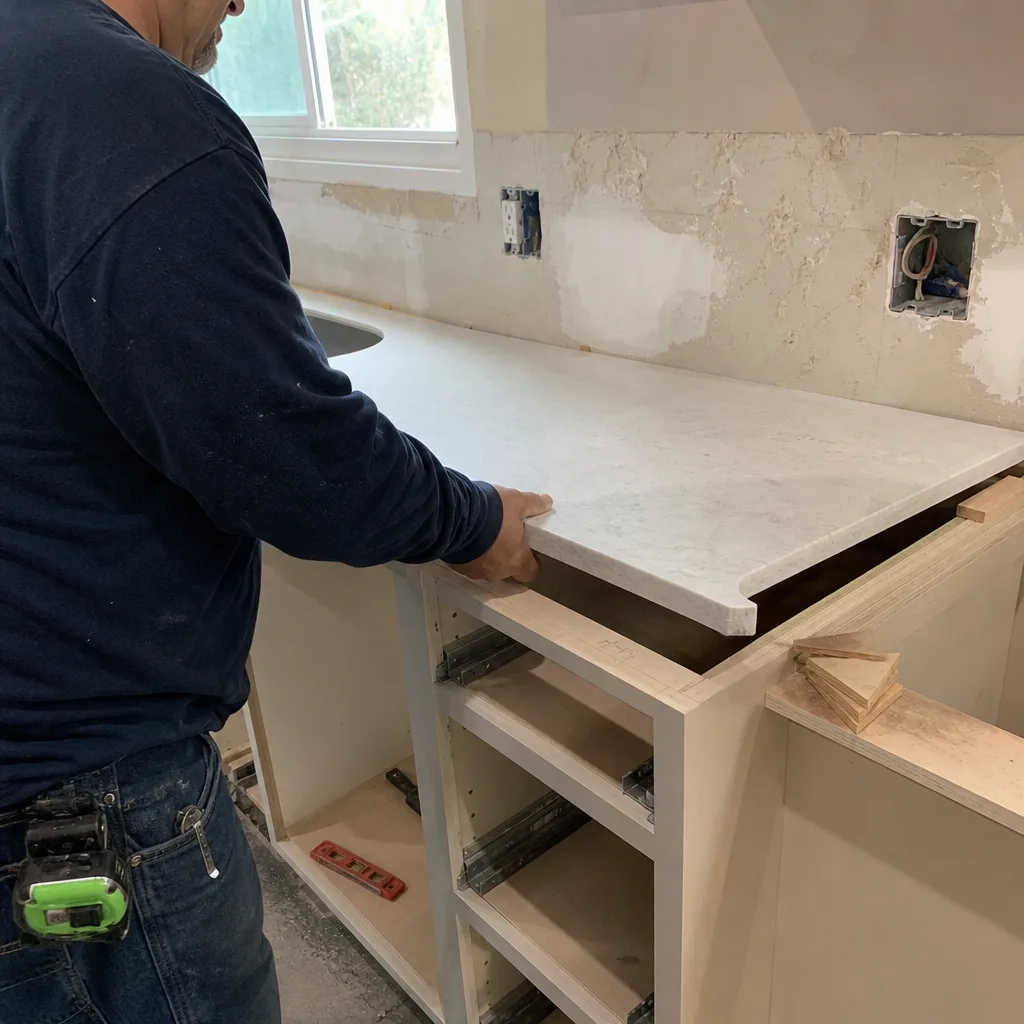
What separates the entry and mid tiers is rarely square footage. It’s brand tier and complexity. A mid-tier bathroom uses designer-grade cabinetry and quartz, which typically means KraftMaid or Wellborn cabinets paired with Cambria or Caesarstone surfaces, plus Kohler, Grohe, or Toto fixtures. Entry-tier uses stock configurations and builder-grade materials. High tier usually means moving plumbing, removing a load-bearing wall, or upgrading to custom casework.
One honest warning on the bathroom range: relocation of the drain or shower valve is frequently the single line item that tips a mid-tier project into high-tier territory. If you’re keeping the existing fixtures in place and just updating the finishes, you stay closer to $34,000. If the shower is moving, you’re in high-tier soil, because the rough-in work and permit revisions both expand.
Roofing, Windows, Driveway, and Fence Costs
Exterior costs in Buena Park have more predictable ranges than interior work, but the tier gaps are still real. Roofing and windows both carry code requirements that affect the base price.
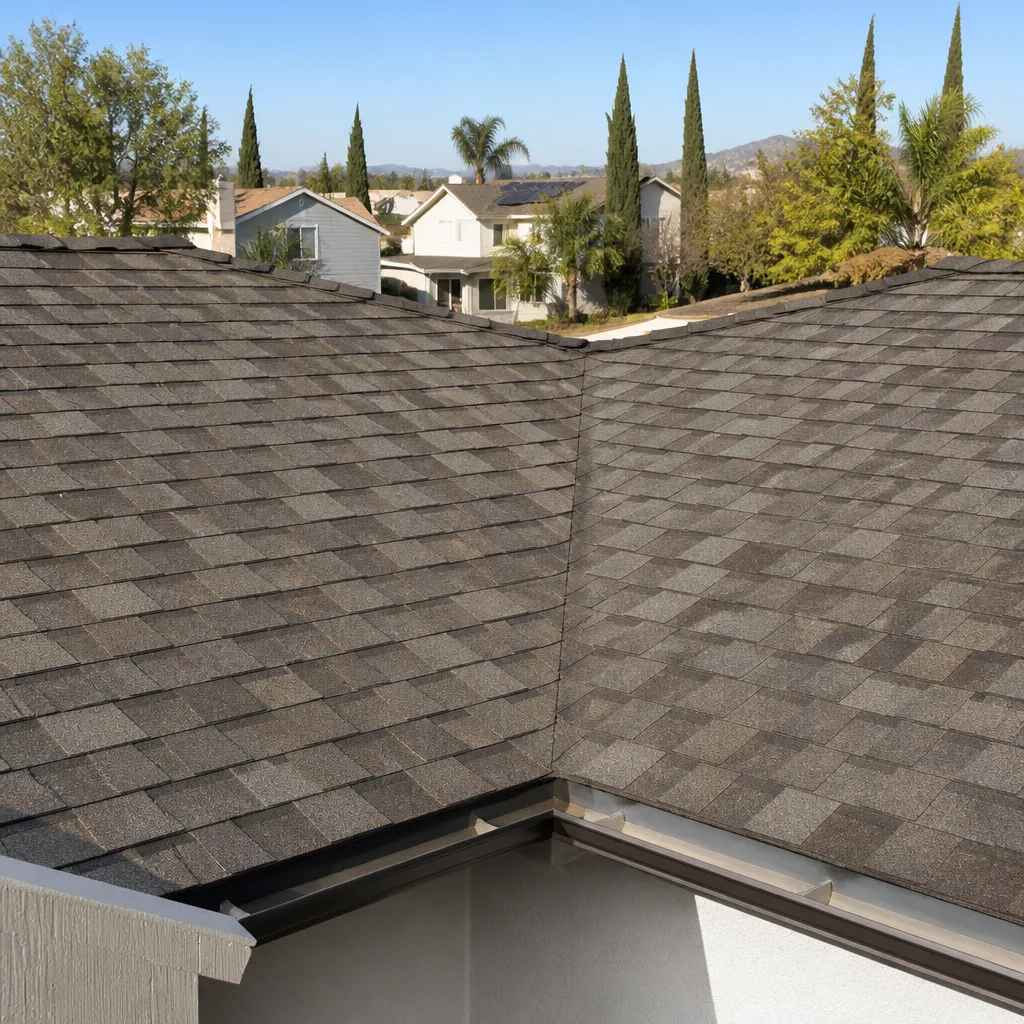
Roofing. A standard asphalt shingle replacement on a typical Buena Park ranch home runs $18,000-$28,000 for mid-tier, with entry-tier closer to $14,000 and high-tier composite or tile installations reaching $35,000-$45,000. Material brand matters here: GAF, CertainTeed, and Owens Corning are the three main systems, and each carries different warranty tiers and installation requirements. Roof pitch and number of penetrations (vents, skylights, solar mounts) drive the labor variance more than the shingle brand does.
Windows and doors. Whole-home window replacement typically lands between $18,000 and $45,000 depending on window count, frame material, and whether you’re choosing single-hung or casement. Entry doors run $3,500-$8,000 installed for a quality line like Therma-Tru. If you’re replacing a sliding door that faces the backyard, expect $5,000-$9,000.
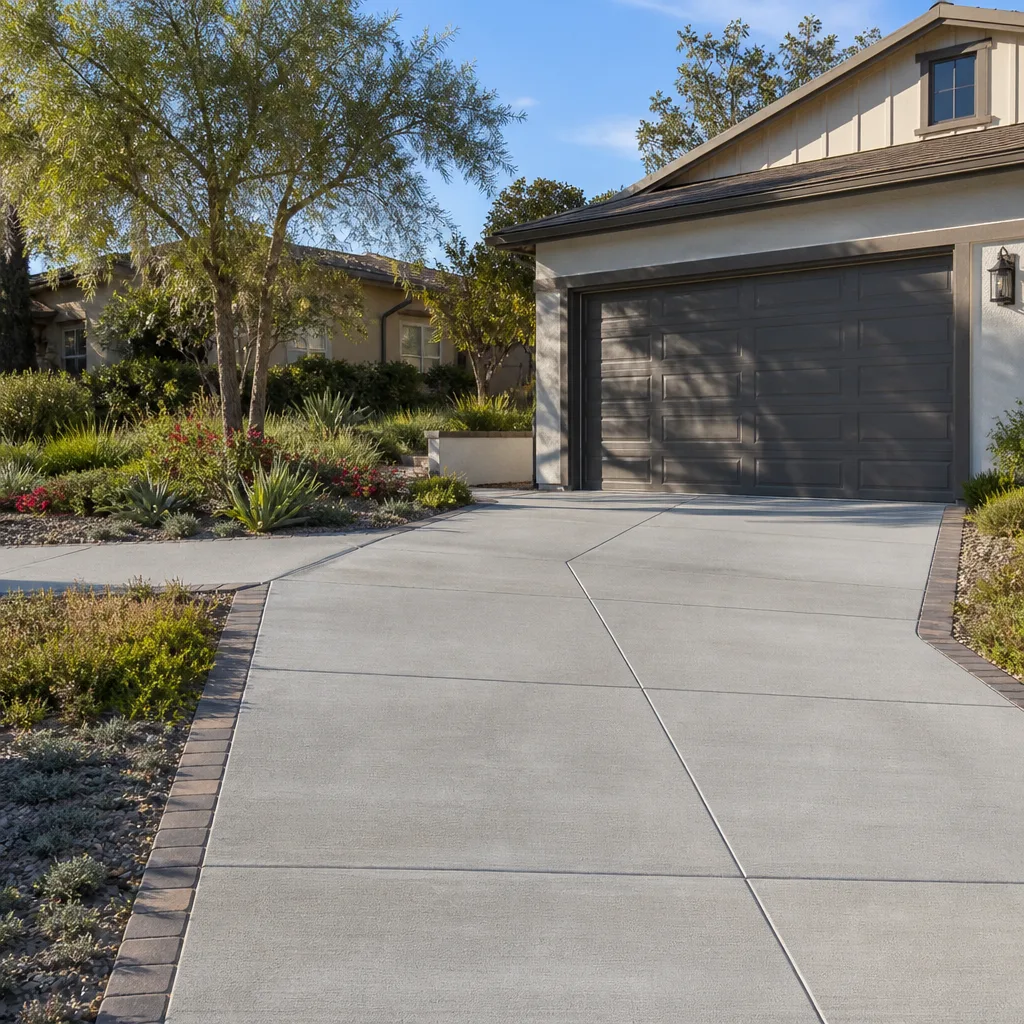
Driveway and hardscape. Concrete driveways run roughly $8,000-$15,000 for a standard two-car width. Paver installations start around $14,000 and go to $28,000+ when you’re using premium systems from Belgard, Unilock, or Techo-Bloc. The difference between those two isn’t just materials, it’s prep work. Paver driveways require a compacted base that concrete doesn’t, and that labor line is significant. You can read more about that breakdown on our driveway & pavers page.
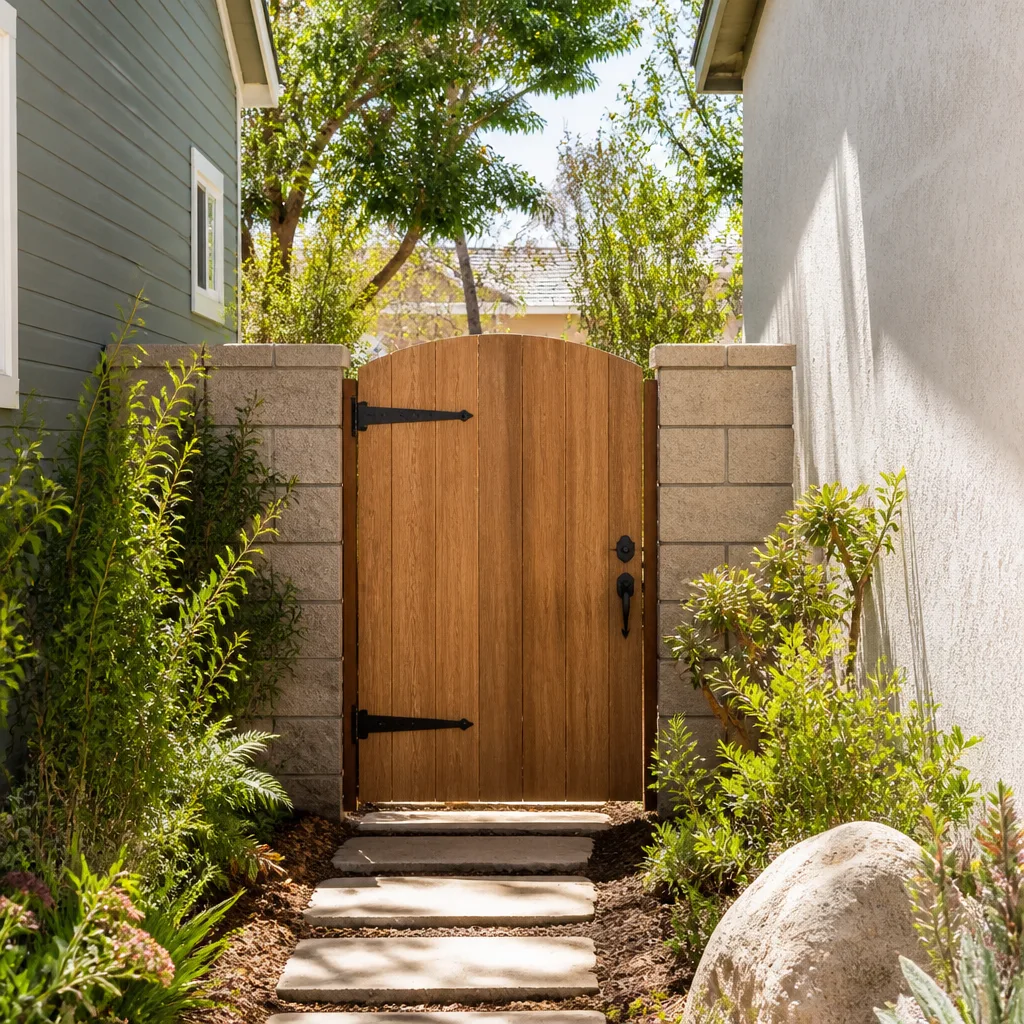
Fencing. A standard wood privacy fence on a typical lot runs $5,500-$12,000. Vinyl and ornamental aluminum lines from Master Halco, Ameristar, Jerith, or Bufftech run $9,000-$18,000 depending on linear footage and gate configuration. Rough terrain, slopes, or removals add cost.
ADU and Home Addition Cost Ranges
ADUs and home additions are the cost category where Buena Park homeowners most often underestimate the range, because there are genuinely two completely different construction paths with different numbers.
Detached ADU (site-built). These are the traditional path, built on-site, frame by frame. A 600-800 square foot detached ADU typically lands at $180,000-$280,000 depending on site work, utility runs, and finishes. A 1,000+ square foot unit runs $280,000-$380,000 or more.
Prefab ADU. Off-site construction systems from manufacturers like Mighty Buildings, Plant Prefab, or Boxabl operate on a different cost structure. Factory fabrication and site delivery can compress the total to $150,000-$250,000 for comparable square footage, depending on site prep and utility work. The floor plan flexibility is narrower, but the schedule is shorter and the code-compliance path is more predictable because the unit is engineered and inspected at the factory.
Home additions that expand the existing structure run in a comparable range depending on square footage and how much foundation work is required. A ground-floor addition in the 400-600 square foot range typically runs $130,000-$200,000, with second-story additions running $160,000-$240,000 because of structural reinforcement requirements.
Your full picture on both paths is on our home additions & ADU page, and if you’re considering an ADU, that’s the best starting point before you talk to anyone about a budget. The key decision is site-built vs. prefab, and it’s easier to make once you understand what each path actually delivers.
One detail that catches people: whether the ADU will be attached to the main structure or detached has a bigger cost impact than square footage in most cases, because detached units require separate electrical, plumbing, and sometimes a separate utility trench, all of which are line items the square-footage calculators don’t include.
Material Volatility and How to Contract Around It
Material pricing has been the biggest source of contract friction over the last several years, and 2026 is no exception. Three categories have the highest pricing uncertainty right now:
- Dimensional lumber and engineered wood. Prices swing quickly with supply and demand for new housing starts. A project quoted in January and started in June may see a very different framing cost.
- Roofing membrane and underlayment. Asphalt-based products track oil prices, and lead times fluctuate with west coast distribution.
- Copper wiring and plumbing. Copper has historically volatile pricing, which is why electrical and plumbing rough-in allowances deserve scrutiny.
The right way to handle this in a contract is not to argue about which prediction is right. It’s to specify how the risk gets shared. Two structures work:
- Fixed-bid with a materials allowance. The contractor locks the labor cost and gives you a materials allowance with a specified over/under mechanism. If materials run higher, you see the invoice and the difference is billed or credited at cost. If materials come in lower, you get the credit. This requires the contractor to show you actual material costs, which means you should ask for that documentation upfront.
- Firm-fixed-price with a contingency reserve. The contractor commits to a total price and carries a reserve for material swings. This is the safest for the homeowner, but it means the initial quote carries a slightly higher number because the contractor is pricing the risk.
What doesn’t work is a quote that says “$65,000 for the project” with no material specification, then a change order at framing stage saying materials have gone up. Fixed pricing with no change orders is what we recommend you insist on. Ask your contractor to put it in writing, and don’t accept “we’ll work it out” as an answer to the materials question.
The good news is that brand flexibility helps here. When a contractor has active relationships across a wide range of manufacturers, they can substitute a comparable product line when one brand’s lead time blows out, without stopping the schedule. That’s a real cost advantage, and it’s one of the reasons we keep our material options broad rather than committing to a single supply line.
The Hidden Cost of Single-Trade Coordination
This is the number nobody puts on a cost guide, and it’s the biggest silent factor in Buena Park project budgets. When you hire a kitchen remodeler, a window installer, a flooring contractor, and an electrician as four separate relationships, the coordination cost between them adds 12-20% to the total project cost. That overhead isn’t a single line item. It’s buried in scheduling gaps, rework, and mobilization fees.
Here’s how the fragments add up:
- Scheduling gaps. Each trade needs a window, and if one slips, the following trades wait. A two-week cabinet lead time delay pushes the countertop install, which pushes the electrician’s final hookup, which pushes your move-in date. Every day of delay on a typical Buena Park job site costs money in holding costs, temporary housing, or lost rental income.
- Mobilization fees. Each contractor charges a base fee to get their crew and equipment to the site. Four separate contractors means four mobilizations.
- Rework from handoff errors. When the electrician installs outlets without knowing the cabinet layout, the result is relocations and patch work. When the tile setter finishes without the plumber confirming the rough-in depth, the result is re-tile. These are real costs, and they’re almost always someone else’s “not my problem.”
The single-contractor path eliminates most of that overhead. One contract, one point of contact, one schedule. The trades still happen, but they’re sequenced by the general contractor, not by you on the phone trying to get four people to agree on a date. For a project as connected as a kitchen-and-bath combo, the coordination savings alone can fund a meaningful material upgrade.
This is the practical reason a full-property approach makes sense for large projects. If your project touches the exterior and the interior at the same time, say a fence installation plus a new roof plus an interior refresh, you’re not coordinating three contractors, you’re coordinating one schedule with a combined material order and a single sequence that keeps the property usable throughout.
Common Mistakes to Avoid
- Using a two-year-old estimate as your budget. Code requirements have changed. A 2023 quote on a bathroom or kitchen is missing Title 24 and CalGreen line items that are now mandatory. Start fresh.
- Comparing a Buena Park bid to an LA County bid without adjusting scope. The numbers aren’t comparable if the permit requirements and labor rates differ. Ask what the two quotes include before you assume one is overcharging.
- Assuming the lowest bid wins. A quote that doesn’t list Title 24 documentation, permit pulls, and SCAQMD-compliant finishes is a quote that will grow. The number on the paper isn’t the number you’ll pay.
- Hiring four trades on a connected project. When your kitchen touches your bathroom plumbing or your ADU ties into the main electrical panel, the sequencing between trades is where your budget gets eaten. One contract makes that gap disappear.
- Failing to specify material allowances in the contract. Without a written allowance mechanism, material price movement becomes a change order argument. Specify the mechanism before you sign.
- Forgetting permit timelines in the schedule. Buena Park’s plan review takes time. If your project is time-sensitive, the permit phase needs to be scheduled and the contractor’s carry cost reflected in the bid. Don’t assume permitting is a formality.
- Choosing a single-brand contractor for a multi-category project. A contractor locked to one cabinetry vendor or one paver manufacturer can’t substitute when lead times stretch. Brand flexibility is a real cost protection.
See the difference
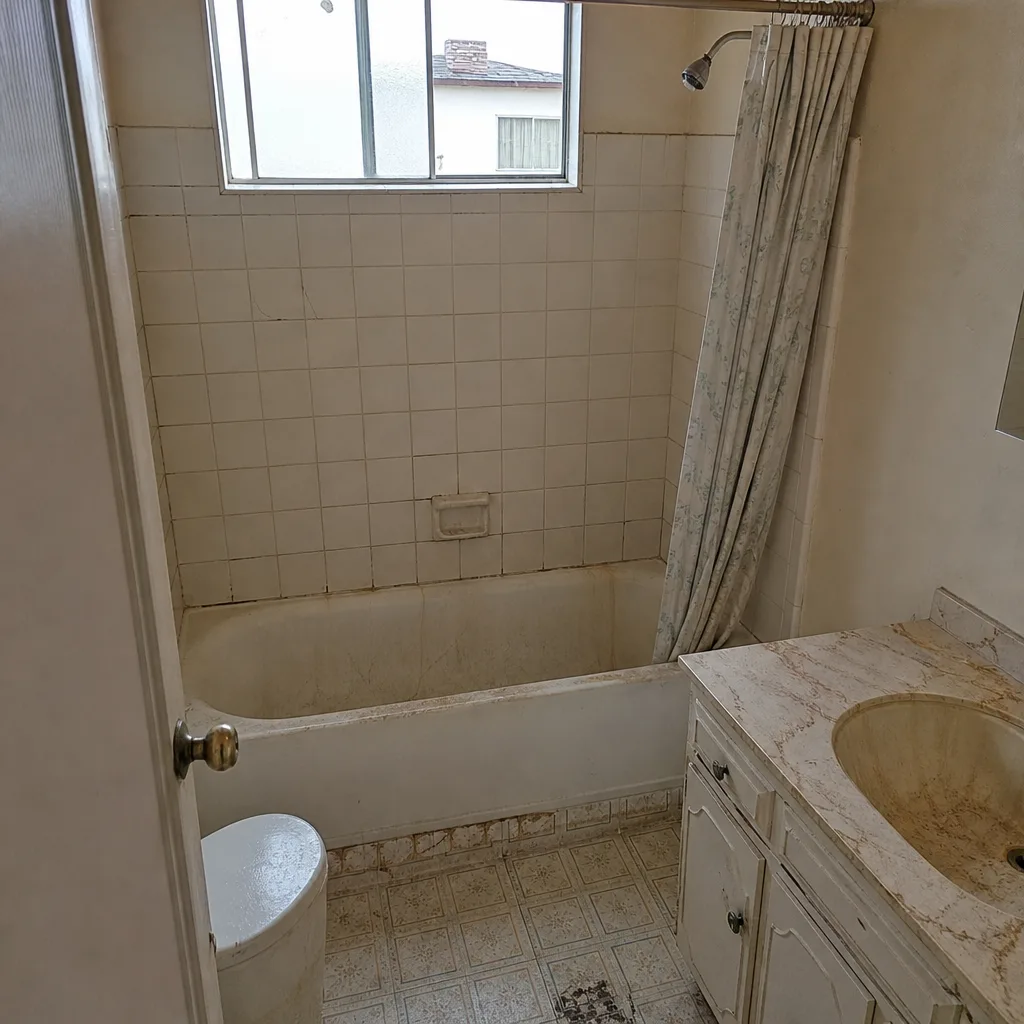 Before
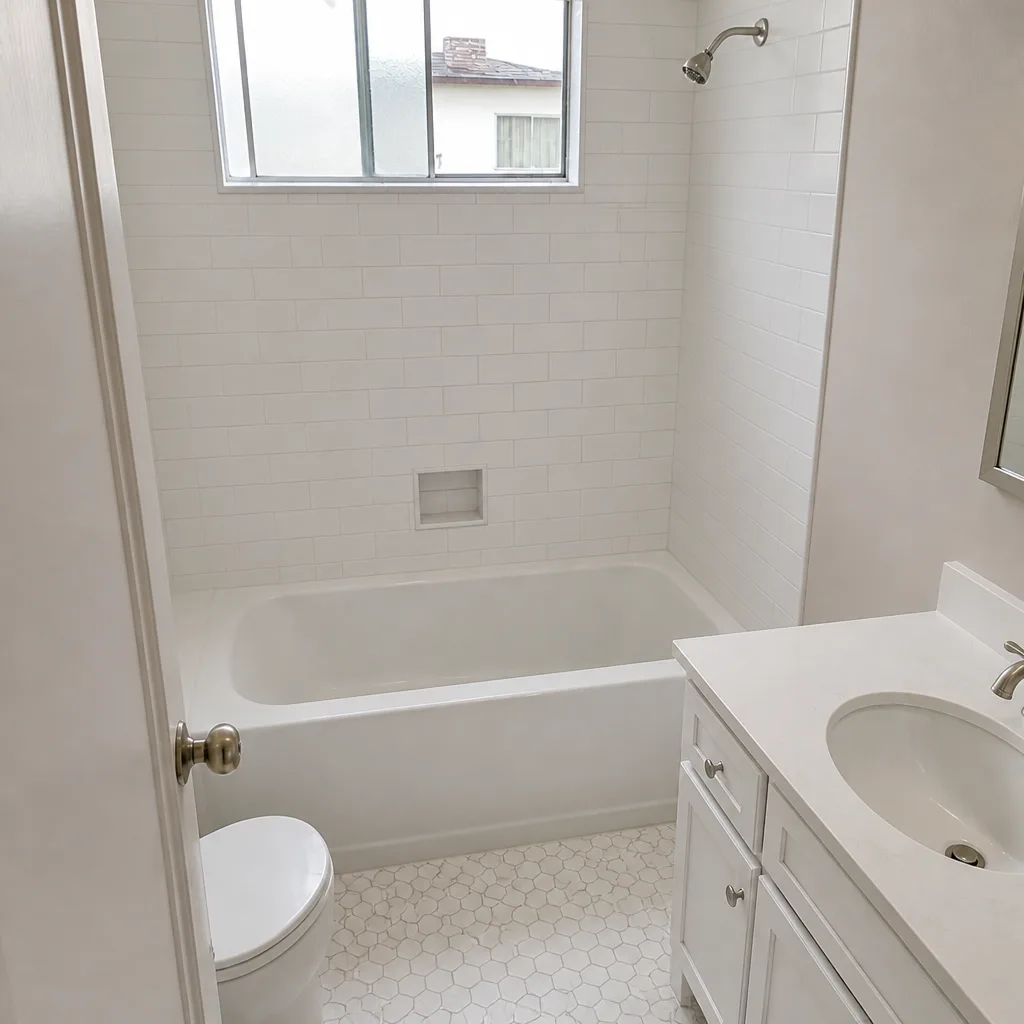 After
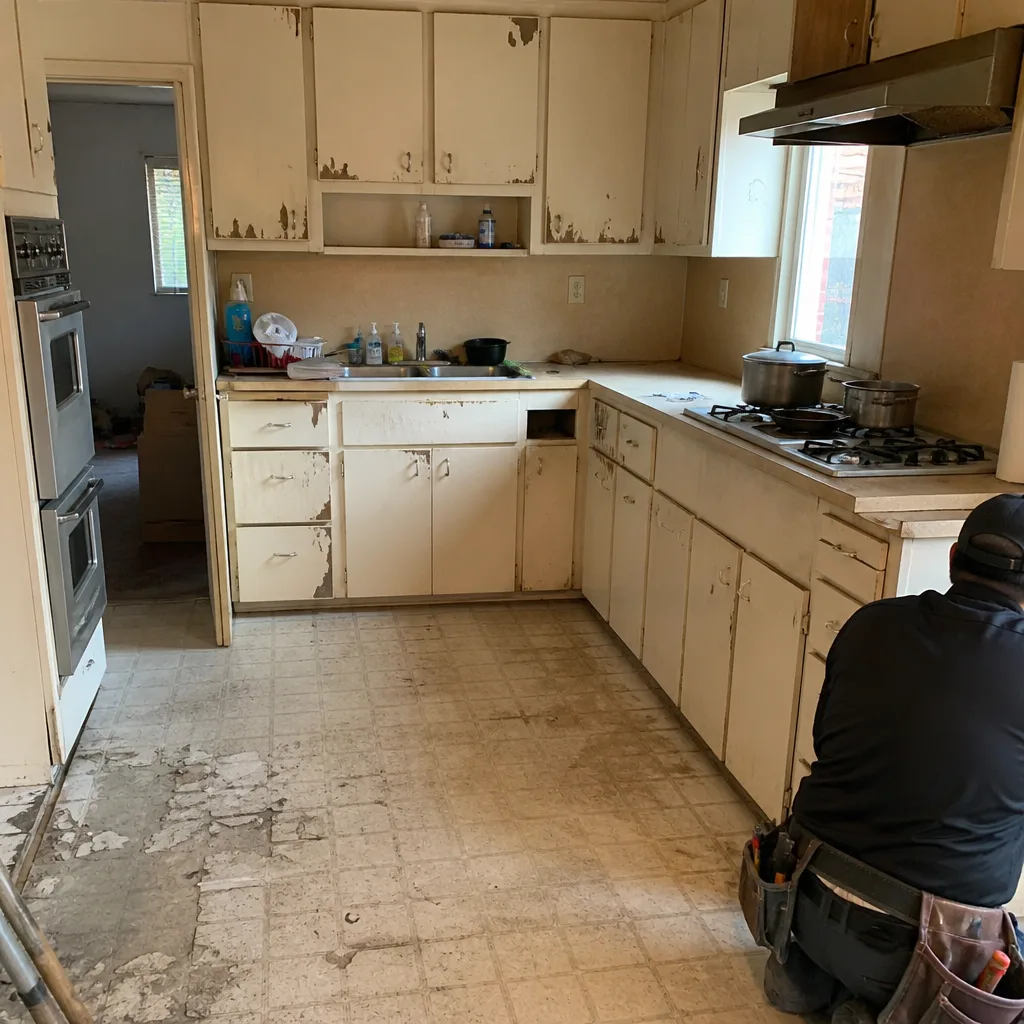 Before
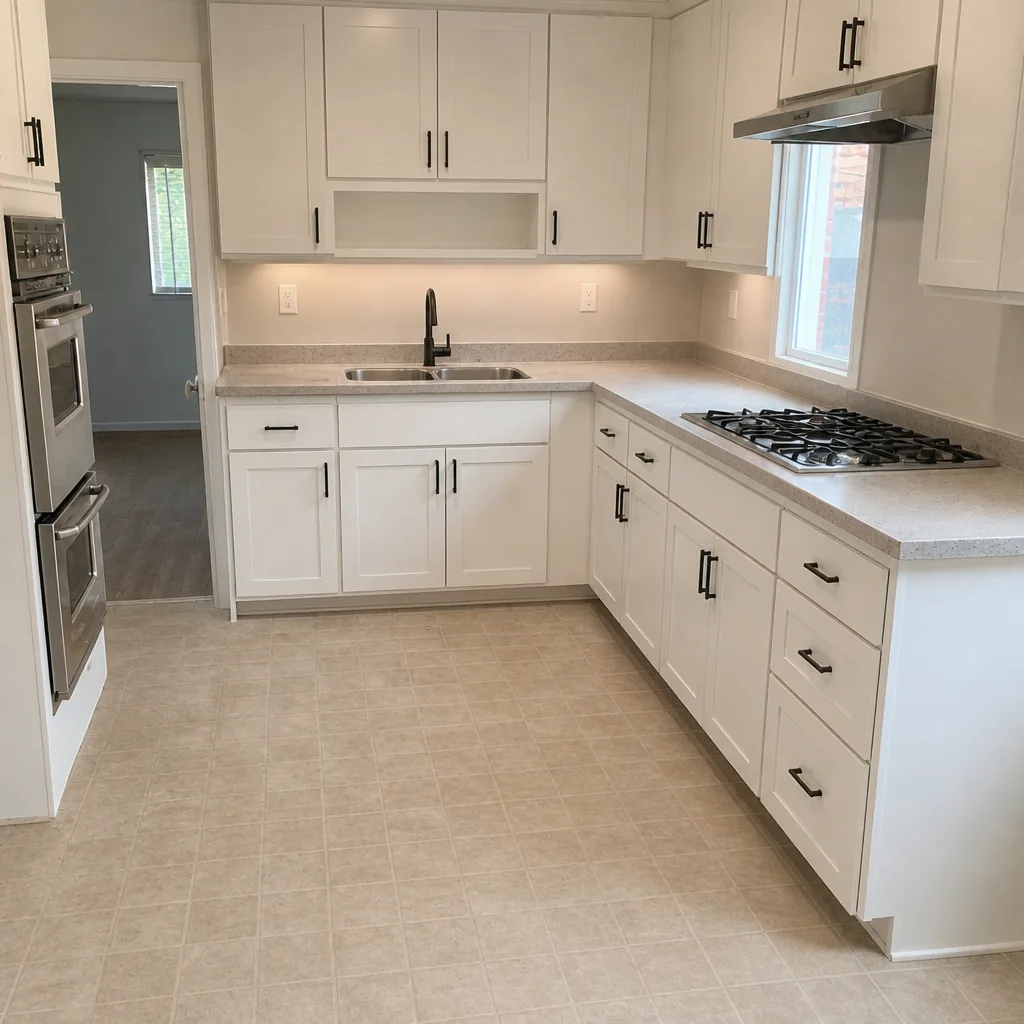 After
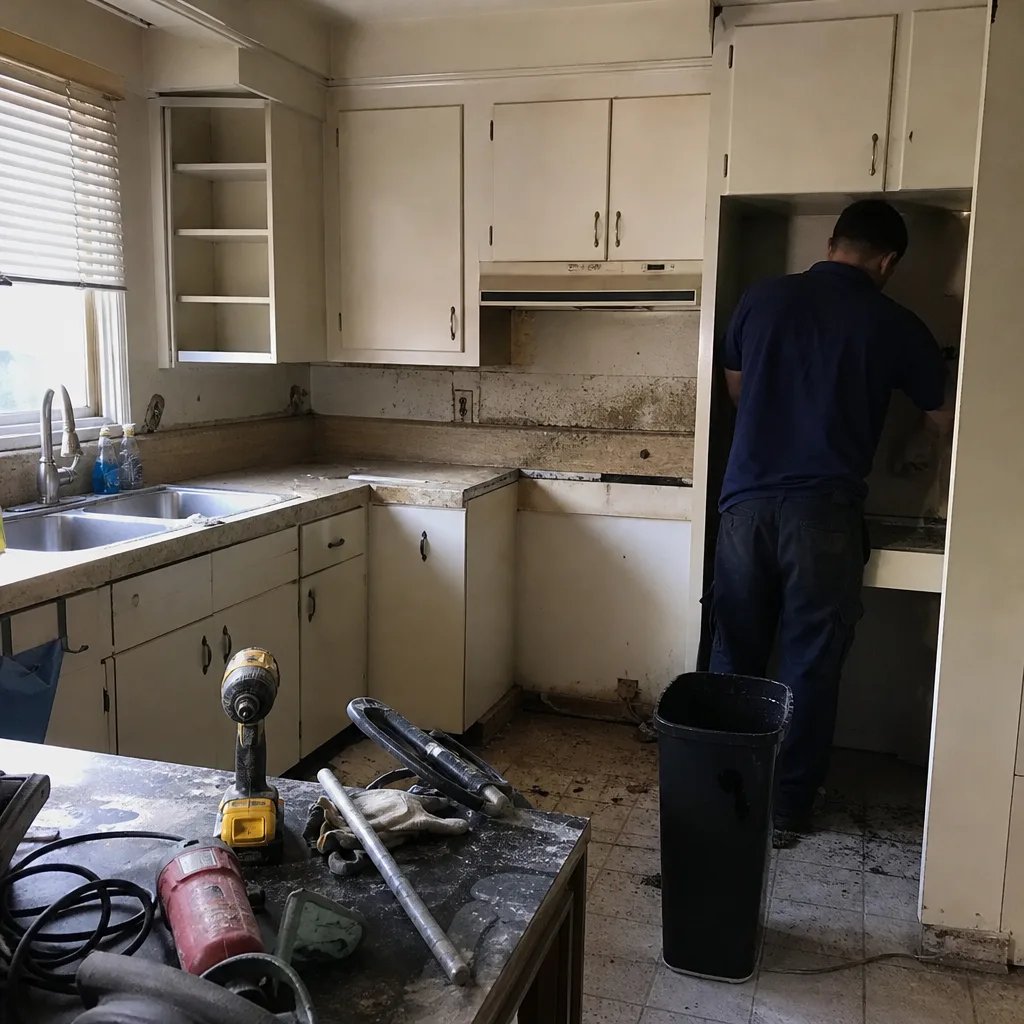 Before
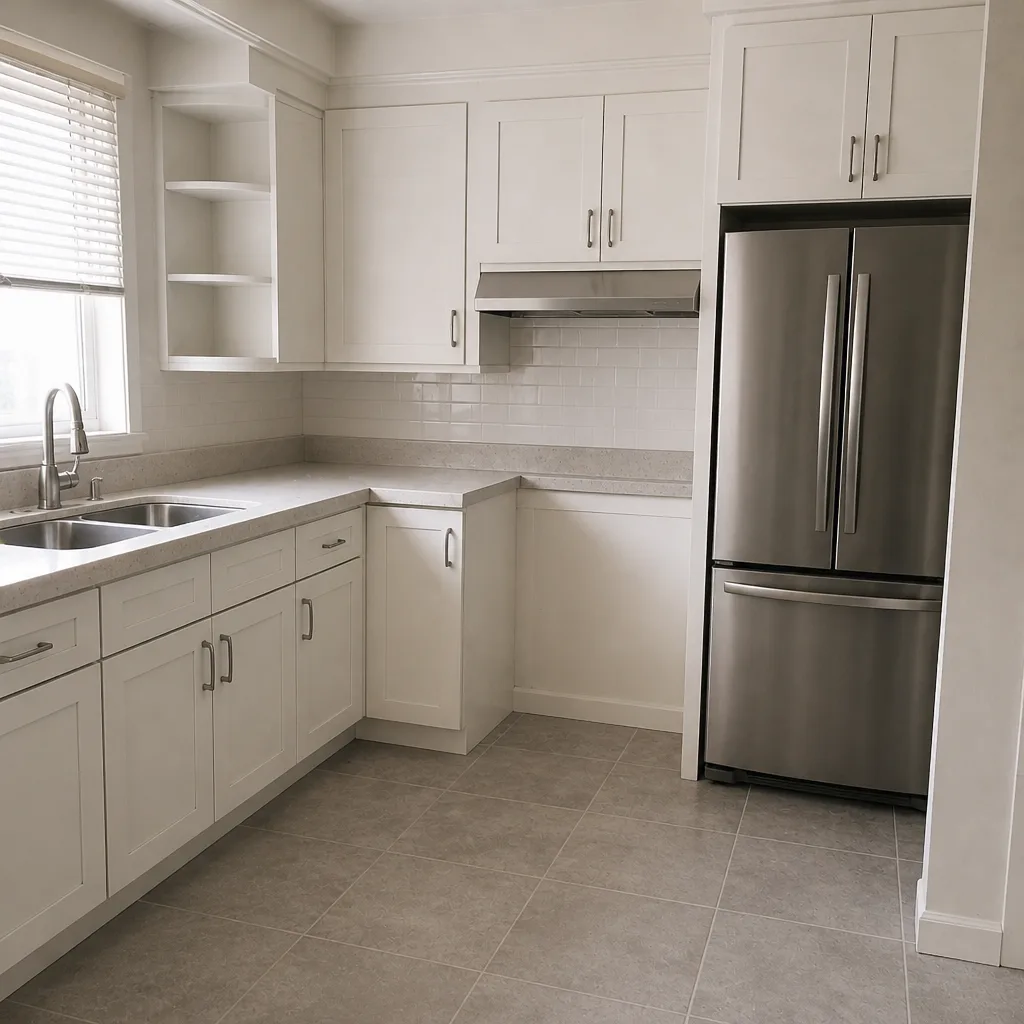 After
When to Call a Professional
Some projects are genuinely DIY territory. Most aren’t. If your project touches the electrical panel, the gas line, the structural framing, or the building envelope, it needs a trained professional and a permit. Roof work at height, tile work over a shower rough-in, and window replacement that affects Title 24 compliance all cross that line too. Beyond safety, the cost math often favors the professional: a project that gets done correctly the first time almost always costs less than one that gets redone, and permit-failing work creates real problems when you sell.
For larger scopes, a residential general contractor is the right call. Construction Buena Park offers free estimates in Buena Park – call (833) 348-5952. We answer 24/7, with fast dispatch from 7am to 7pm, Sunday through Friday. Our technicians have up to 14 years of experience, and every estimate is written line-item, so you know exactly what’s included before you sign.
Frequently Asked Questions
A mid-tier bathroom remodel in Buena Park typically lands between $34,000 and $38,000 in 2026, with entry-tier projects starting around $22,000 and high-tier projects reaching $65,000 or more. The main variables are whether the layout changes (moving the drain or shower valve pushes you toward the high tier) and what material tier you select for cabinets, tile, and fixtures. Call (833) 348-5952 for an exact written quote – estimates are free.
Buena Park carries an Orange County labor premium that runs roughly 15-25% higher than comparable LA County work, because trades here bid against a higher cost-of-living baseline and compete for the same crews that commercial work in the Anaheim corridor pulls. On top of that, Title 24 and CalGreen compliance add mandatory line items that LA permitting may not require for the same scope. The premium is real, and it’s mostly labor and code, not materials.
It shouldn’t, if you’ve signed a written line-item estimate with a fixed scope and a materials allowance mechanism. Change orders should only come from you asking for something different than what’s on the scope sheet. We recommend insisting on a contract that specifies the material risk mechanism in writing before you start. Call (833) 348-5952 and we’ll walk through what a no-change-order contract looks like for your project.
Yes, permitting is part of the contractor’s scope on any project that requires one, and almost every remodel and addition in Buena Park does. The permit application, Title 24 documentation, CalGreen checklist, and final inspection are coordinated through the contractor, not left to the homeowner. Ask about permit pulling in your first estimate conversation – it’s a good filter for whether a contractor is set up to handle California code correctly.
A detached site-built ADU in the 600-800 square foot range typically runs $180,000-$280,000 in Buena Park in 2026, while a modern prefab unit from a manufacturer like Plant Prefab or Mighty Buildings can land at $150,000-$250,000 for comparable square footage depending on site prep and utility runs. The deciding factor is usually the site work and utility trench, not the unit itself. Call (833) 348-5952 to schedule a free estimate and walk through both paths side by side.
A standard kitchen remodel in Buena Park takes roughly 8-14 weeks from permit approval to final walkthrough, depending on cabinet lead times and whether walls are being removed. Permit review adds time before construction begins, so plan the total timeline around 3-5 months from first estimate to move-in. Sequencing matters more than speed here; a compressed schedule that skips a code-review phase costs more in the long run than one that plans for it.
The Bottom Line
Buena Park construction costs in 2026 reflect three forces working together: an OC labor premium over LA County, mandatory California code compliance baked into every permit pull, and material volatility that rewards flexible brand relationships over single-vendor commitments. The right way to budget for a Buena Park project is to start with the code-compliant range for your category, then add the single-trade coordination overhead if you’re managing multiple contracts. One contractor from the driveway to the roofline usually costs less in total than the fragmented path, even when the initial bid looks higher. Get a written, line-item estimate before you commit, and specify how materials will be handled before you sign.
Construction Buena Park offers free estimates for projects across Buena Park and the surrounding Orange County area. Call (833) 348-5952. We answer 24/7. Fast dispatch from 7am to 7pm, Sunday through Friday.
Written by the team at Construction Buena Park.