Last updated November 17, 2026
Free written scope consultation - allowances, timeline, and change-order rules on paper before a single trade is scheduled
The Complete Driveway & Pavers Guide for Buena Park Homeowners
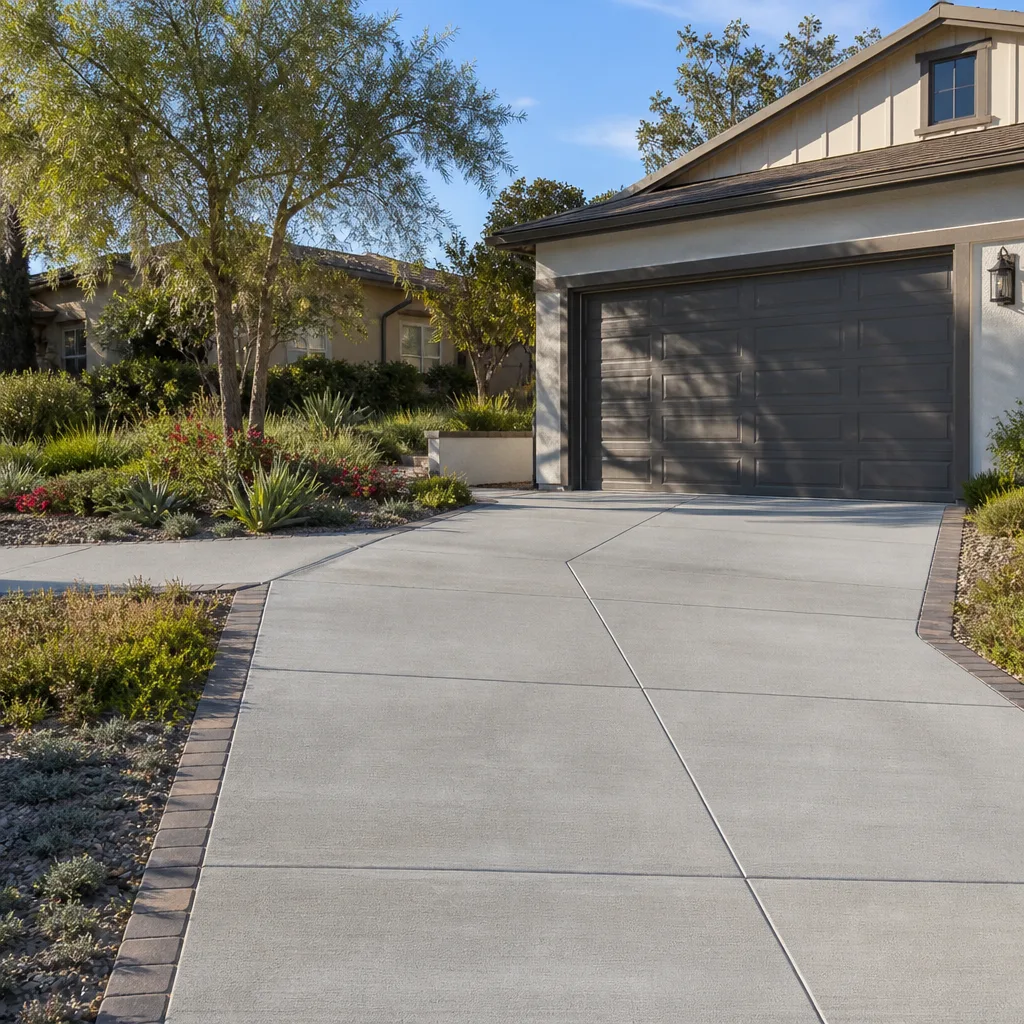
Most Buena Park driveways that fail within five years were installed with the right pavers on the wrong base. That sounds like a small distinction, but it’s the whole ballgame. A 4-inch compacted base that passes muster in other parts of the country is often undersized for Orange County’s expansive clay soils, which swell when they’re wet and shrink when they’re dry. The paver you pick matters. What sits under it matters more. This guide walks through how we think about material selection, base depth, HOA approval, drainage rules, and the installation sequence that separates a surface that lasts twenty-plus years from one that shifts and heaves after a couple of wet seasons. You’ll come away knowing what to ask before anyone breaks ground in Buena Park.
Quick Answer
A driveway paver installation in Buena Park typically runs from about $14 to $30 per square foot, depending on material and site conditions. The single biggest longevity factor isn’t the paver brand: it’s a minimum 6-inch compacted aggregate base, proper drainage correction, and edge restraint built for clay soil movement. Choose material second, base first.
Styles & brands we work with
- Kitchen remodeling
- Bathroom remodeling
- Home additions & ADU
- Roofing
- Windows & doors
- Driveway & pavers
- Fence
Table of Contents
- Why Buena Park’s Clay Soil Changes Everything
- Paver Material Comparison: Concrete, Travertine, Porcelain, and Brick
- The 7-Step Installation Sequence a GC Manages
- HOA Compliance in Buena Park Communities
- Permeable Pavers and Buena Park Stormwater Rules
- What Drives the Cost of a Paver Driveway in Buena Park?
- Brand Tiers and What They Mean for Your Budget
- How to Choose a Paver Contractor in Buena Park
Why Buena Park’s Clay Soil Changes Everything
Buena Park sits on expansive clay soils that move with the seasons. That’s the part most homeowners don’t hear until something goes wrong. When clay gets wet, it expands. When the dry months hit, it shrinks back. Compacted clay can move enough over a season to crack a poured slab or rock a paver that wasn’t given enough base to lock into. The point of the aggregate base is to spread the load and isolate the pavers from that movement. When it’s undersized, every wet winter and every dry summer puts stress directly on the joints.
A 4-inch base is a common standard in other regions with sandier, more stable ground. In Buena Park, we recommend a minimum 6-inch compacted aggregate base for driveways, and more where the subgrade is heavily clay-loaded or where water has been pooling. The base is compacted in lifts, not dumped in one pass, and each lift is tested for density before the next goes down.
What you can check without tearing anything up:
- Does water pool anywhere on the driveway after rain? That’s a sign the grading has drifted or the original drainage corrected to the wrong low point.
- Are the joints wider in late summer than in spring? Clay movement can shift pavers even on a sound install, but excessive seasonal gaps suggest a base problem.
- Are edge pavers tilting outward? That usually means the edge restraint wasn’t set into a proper concrete or adhesive footing.
- Do any pavers feel hollow or loose when you walk on them? Hollow sound often points to base failure under the surface.
None of this means clay soil is a dealbreaker. It means the depth, compaction method, and edge restraint have to be designed for the soil, not for a generic spec. That’s the difference between a buona fide twenty-year driveway and a repair waiting to happen.
Paver Material Comparison: Concrete, Travertine, Porcelain, and Brick
Concrete pavers cost the least per square foot and handle clay movement best. Travertine and porcelain look stunning but come with maintenance profiles that matter more in Southern California’s sun and dry heat than they would in cooler, wetter climates. Brick is the premium choice for a traditional Buena Park home, but it demands a proper base or the whole investment gets wasted.
Here’s how the four main options stack up for a SoCal driveway:
- Concrete pavers: $11 – $18 per square foot installed. Highest durability, widest ICC/load-engineering documentation, easy spot repairs, moderate color fade over long term. Best overall value for Buena Park driveways. Available from Belgard, Tremron, and Cambria-adjacent lines through standard suppliers.
- Travertine: $22 – $35 per square foot installed. Cooler surface underfoot, distinctive look, but softer stone chips more easily under heavy vehicle loads and the lighter tones need periodic sealing to resist staining. Better suited to walkways, pool decks, and lower-traffic driveways.
- Porcelain: $20 – $32 per square foot installed. Excellent stain resistance, color stability, and freeze-thaw resistance (largely irrelevant in Buena Park but a quality marker). Slightly more fragile at the edges and requires a rigid base and careful handling during install. High-end look, high-end price.
- Brick: $25 – $40 per square foot installed. Traditional character for Buena Park’s older neighborhoods, very durable when on a proper base, but clay brick is heavy and requires a well-confirmed subgrade. Repairs are harder to color-match.
All figures above are typical ranges for a Buena Park driveway job and are estimates only. The written, line-item estimate sets the final price for your install. For a deeper dive into paver options and installation, see our driveway & pavers service page.
The 7-Step Installation Sequence a GC Manages
A paver driveway is a structural build, not a decorative surfacing job. The single-trade paver companies many homeowners hire often skip or shortcut the front-end steps because they’re focused on laying pavers. A general contractor treats this as a sequence where every step depends on the one before it.
- Site assessment and utility marking: Verify where gas, water, sewer, and electrical lines run under the driveway. Any conflict adds scope; finding it mid-install adds cost and delay.
- Demolition and haul-off: Remove existing concrete, asphalt, or failed pavers and haul out debris. Existing concrete often hides a base and subgrade that need correcting.
- Grading and drainage correction: Set the finished surface to slope away from the house and garage. Buena Park’s clay ground can hold water, so shallow swales, drainage channel placement, and low-point correction get resolved here, not later.
- Subgrade preparation: Excavate to depth, proof-roll, and remove soft spots. If you find soft pockets after excavation, they get remediated before any base is laid.
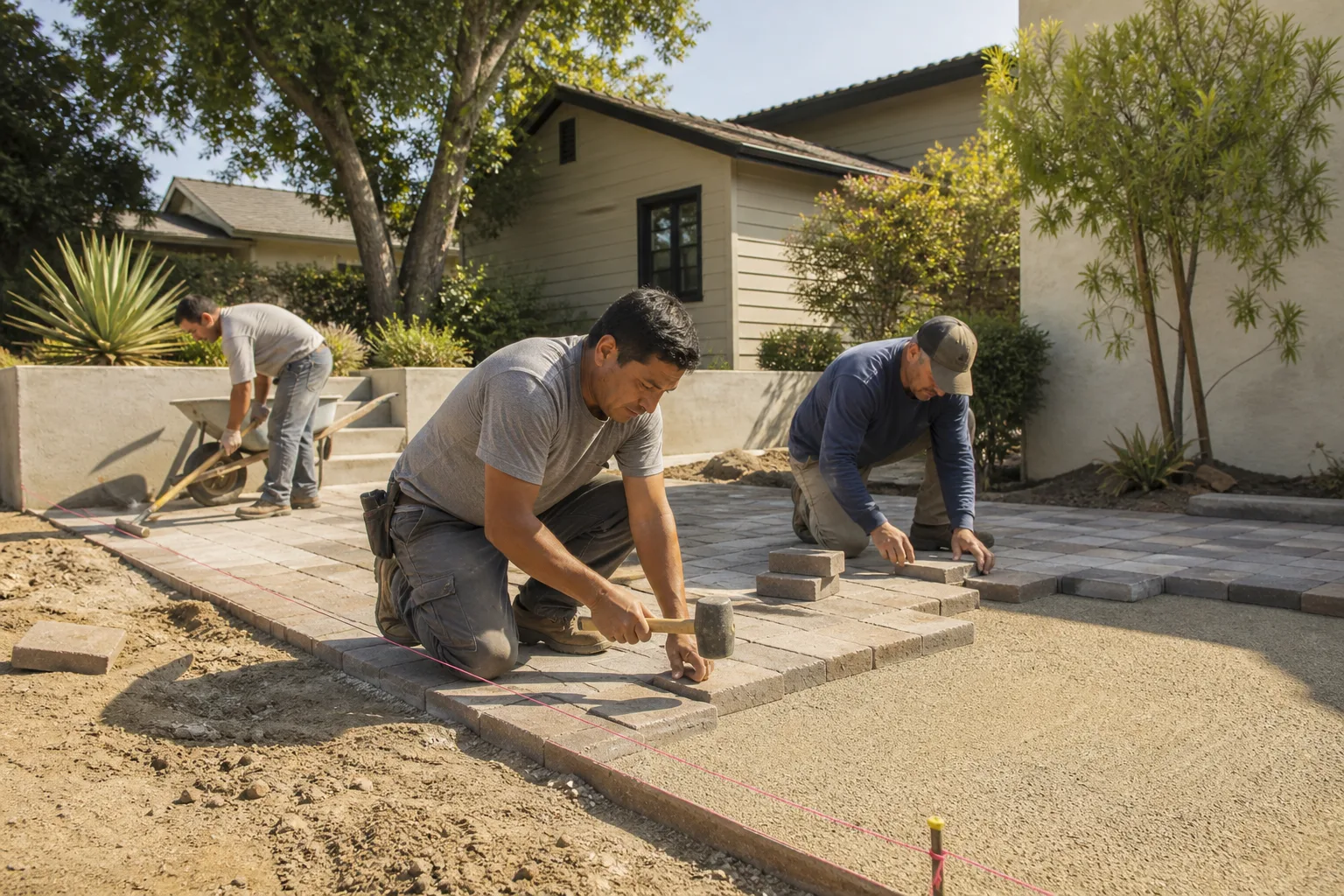
- Aggregate base installation with compaction testing: A minimum 6-inch compacted base installed in lifts and density-tested. This is the step most failed driveway stories trace back to.
- Edge restraint: Concrete curbing or adhesive-set edge hold is installed on all open edges before pavers go down. Without it, edge pavers migrate outward with every seasonal clay cycle.
- Paver setting, cutting, and joint sand: Pavers are laid to pattern, cut at angles and borders, then polymeric joint sand is installed and compacted. A final clean and inspection follows.
Each step affects the next. Skipping compaction testing in step five doesn’t show up in step seven, but it will show up a couple of winters from now. That’s why we list driveway & pavers alongside fence installation, roofing, and additions as part of one property scope: the same contractor who grades for a driveway is thinking about how the yard drains toward the fence line and the house.
HOA Compliance in Buena Park Communities
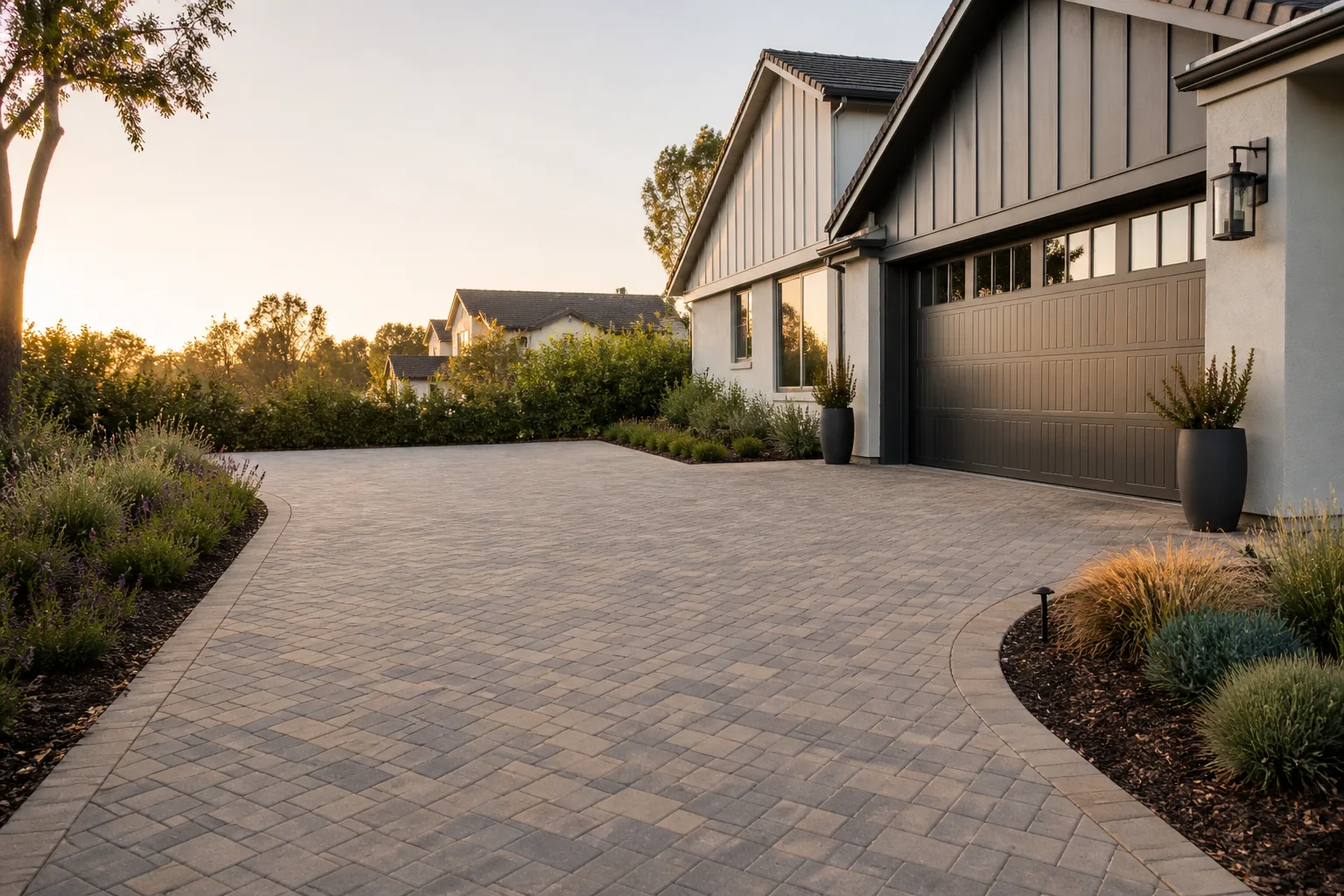
Most Buena Park HOAs approve earthy, neutral pavers in a standard running-bond or herringbone pattern; high-contrast colors, unusual geometric layouts, and glossy porcelain tend to draw corrections. If you’re in a planned community with an architectural review committee, the material submittal is part of the project scope, not an afterthought.
What tends to sail through approval:
- Earthy tones: tan, sand, gray, and blended neutral concrete pavers from Belgard or Tremron
- Standard patterns: running bond, herringbone, and basketweave
- Simple border treatments that match the main field
- Permeable paver systems where the community already uses them or the governing documents reference drainage requirements
What tends to get flagged:
- Bright white, black, or highly contrasting two-tone grids
- Large-format porcelain with a reflective finish
- Irregular geometric or circular patterns
- Brand names or stamping that don’t match the community palette
Before you commit to a paver color, pull your CC&Rs and the architectural submittal form. If your HOA requires color samples with the request, get those before the material order is placed. A single rejected submittal can delay a project weeks and force a re-selection mid-build. On a remodel that touches multiple property lines, we coordinate the submittal alongside the fence material choice, which is why we stock brand relationships with manufacturers like Barrette and Master Halco that HOA boards already recognize from neighboring installs.
Permeable Pavers and Buena Park Stormwater Rules
Permeable paver systems are usually optional in Buena Park residential projects, but they’re increasingly required when a driveway expansion or hardscape change increases the impervious footprint above what local stormwater management rules allow. The specifics live in the current city stormwater ordinance and Orange County’s regional permit, so always confirm with the city before design.
Permeable pavers work by letting rainwater pass through the joint gaps into an open-graded base and subbase, then infiltrating the soil or draining to a designed outlet. In clay-heavy soils, the system is more nuanced: infiltration is limited, so the design usually includes an underdrain to a safe discharge point rather than relying on soil percolation alone.
Where permeable systems make sense in Buena Park:
- Lots where the existing drainage runs to a low spot that floods
- Projects that push impervious coverage past what the city allows without mitigation
- Homeowners who want the visual contrast of open-joint pavers and are willing to accept periodic vacuum maintenance
Where they may not be the right call:
- Lots with heavy clay subgrade and no good discharge point
- Driveways over a utility easement where excavation depth is limited
- Installations where the homeowner wants the lowest-maintenance approach and prefers standard pavers with an engineered drainage plan
The key is getting the stormwater answer before the design is locked. When we quote a hardscape project, we treat the drainage plan as a scope item, not an add-on. If a permeable system fits, we spec it with documented products from Belgard, Unilock, or Techo-Bloc; if it doesn’t, we design standard pavers with proper grading and channel drains.
What Drives the Cost of a Paver Driveway in Buena Park?
A paver driveway in Buena Park typically costs between $11 and $40 per square foot, with most residential installs landing in the $14 to $30 range depending on material and site conditions. The final price is set by the written, line-item estimate.
Here’s a typical cost band by material for a standard two-car driveway:
| Material | Typical installed range (per sq ft) | Notes |
|---|---|---|
| Concrete pavers (Belgard, Tremron) | $11 – $18 | Best value, widest color range |
| Permeable concrete pavers | $16 – $24 | Includes open-graded base and underdrain where needed |
| Travertine | $22 – $35 | Softer stone, cooler underfoot, higher maintenance |
| Porcelain | $20 – $32 | Excellent stain resistance, rigid base required |
| Brick | $25 – $40 | Traditional look, heavy material, harder repair matching |
What moves the needle within a given material:
- Base depth: Deep clay subgrade or poor existing drainage pushes the base to 8 inches or more, adding cost but protecting the investment.
- Existing surface: Concrete demolition and haul-off costs more than a simple re-grade.
- Drainage work: Channel drains, trench drains, and low-point corrections are line items, not extras.
- Edge conditions: Curved layouts, multiple border materials, and tight access points increase labor.
- Pattern complexity: Herringbone and basket weave take longer than running bond.
Permits, if required for your specific project, are handled as part of scope. If you want a full-property scope that folds the driveway together with a new fence, roof, or window package, we run the estimate across all of it in one visit. See how that works on our Construction Buena Park main page.
Brand Tiers and What They Mean for Your Budget
Paver brand tier matters less than base quality, but it does affect color stability, dimensional tolerance, load rating documentation, and warranty depth once the install is done. A budget-friendly paver on a correct 6-inch base outperforms a premium paver on a 4-inch base, every time.
How the tiers shake out in Buena Park:
- Entry-level concrete pavers from Quikrete and Sakrete lines are fine for light-duty driveways, shed pads, and walkways. They’re dimensionally consistent but with a narrower color range and shorter warranty terms.
- Mid-tier systems from Tremron, Cambridge, and Belgard give a broad color and pattern library, documented load ratings, and stronger warranty coverage. This is the sweet spot for most Buena Park driveways.
- Premium systems from Techo-Bloc, Unilock, and Belgard’s high-end lines offer tighter dimensional tolerances, richer finishes, and large-format slabs for a more architectural look. Costs more, installs tighter, shows fewer joint variations.
Across our paver line we work with Belgard, Unilock, Techo-Bloc, and Tremron, which means we can put a $14-per-square-foot driveway and a $28-per-square-foot driveway in the same estimate conversation without forcing you toward one price point. Same contractor, same base standard, different finish. That brand-tier flexibility is why a homeowner can budget a mid-tier driveway and a premium front walkway in the same project scope.
How to Choose a Paver Contractor in Buena Park
The right contractor to hire for a Buena Park paver driveway is one who will put the base spec, compaction testing, and edge restraint in writing, and who can see the driveway as part of how the whole property drains. Ask for the base depth, the compaction method, and how edge restraint is installed before you accept any quote.
Questions worth asking:
- What base depth are you specifying for this clay subgrade, and how is compaction verified?
- How do you handle drainage correction if water currently pools on the site?
- What edge restraint system do you use, and how is it anchored?
- Who pulls the permit if the project requires one, and who schedules the inspection?
- What’s the written warranty on the installation, and what does it cover?
- Can you show the brand and product line you’re proposing, including the warranty document from the manufacturer?
A contractor who coordinates the whole property handles these questions without hesitation because the answers are already part of the scope. Our technicians have up to 14 years of experience, and the paver installations we manage draw on the same brand relationships we use in roofing (GAF, CertainTeed, Owens Corning) and windows (PGT, Therma-Tru): the same principle applies. Documented product, documented install, one point of contact.
Common Mistakes to Avoid
- Approving a 4-inch base on clay soil. A 4-inch base may work in sandier ground, but it’s typically undersized for Buena Park’s expansive clay. Ask for at least 6 inches with compaction testing documented before the pavers go down.
- Skipping compaction testing. Dumping base material and hitting it once with a plate compactor doesn’t verify density. In Buena Park’s seasonal clay movement, base failure from undersized compaction rarely shows in year one but frequently shows in year three.
- Choosing pavers before checking HOA rules. A color or pattern that fails the architectural submittal can force a mid-project re-selection. Pull the CC&Rs and the submittal form before you commit to a material.
- Ignoring the drainage plan. Clay soils and Buena Park’s seasonal rain combine to create pooling at low points. If the design doesn’t account for where the water sheds, no paver on earth will stop the surface from drifting.
- Foregoing edge restraint to save budget. Edge restraint isn’t a decorative finish; it’s the piece that resists the outward push that clay movement creates. It gets anchored on all open edges, not just the street side.
- Hiring a single-trade paver crew that can’t see the whole property. If the driveway drains toward the fence line or the house, the right time to catch that is before the install. A GC scope resolves site grading, drainage, and hardscape as one system.
- Choosing a paver brand without a documented load rating or warranty. Brand relationships to Belgard, Unilock, Techo-Bloc, and Tremron include published documentation. Generic paver stock from a lumber yard often doesn’t.
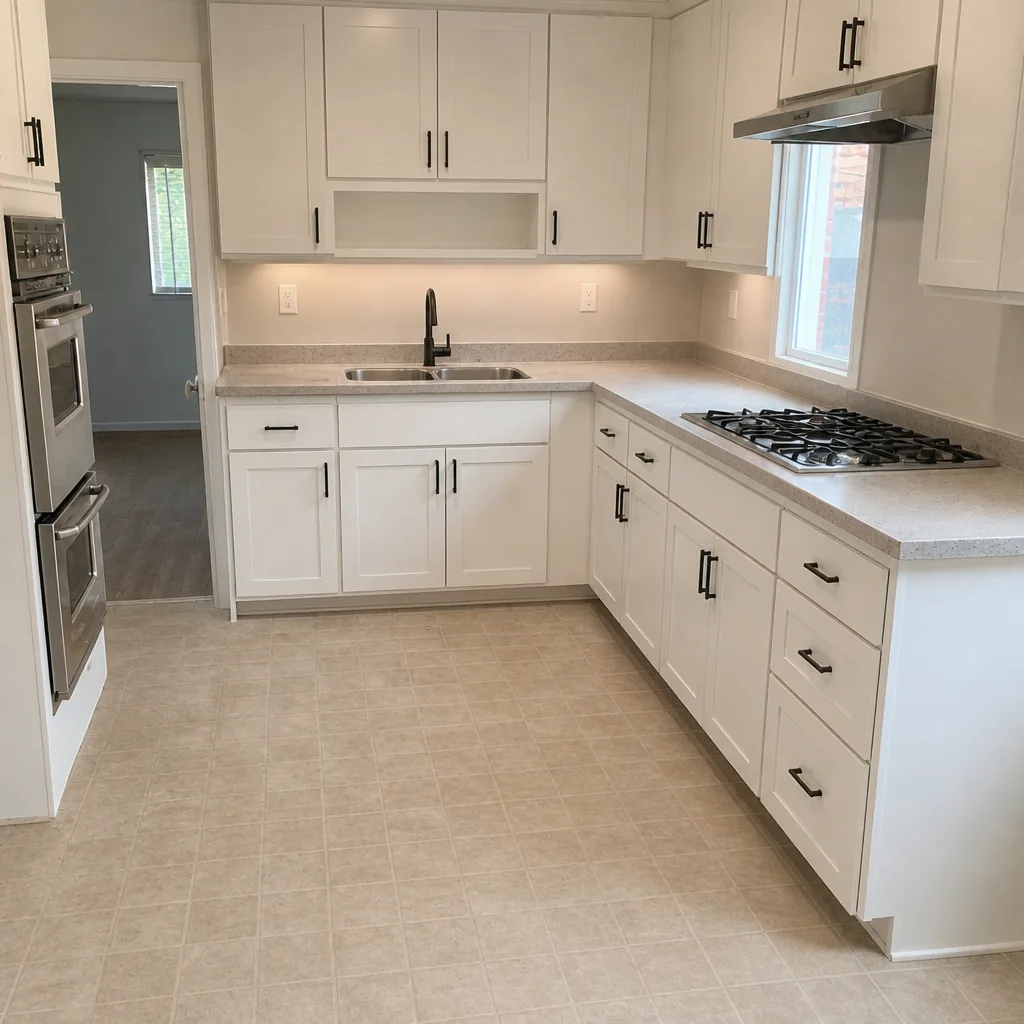
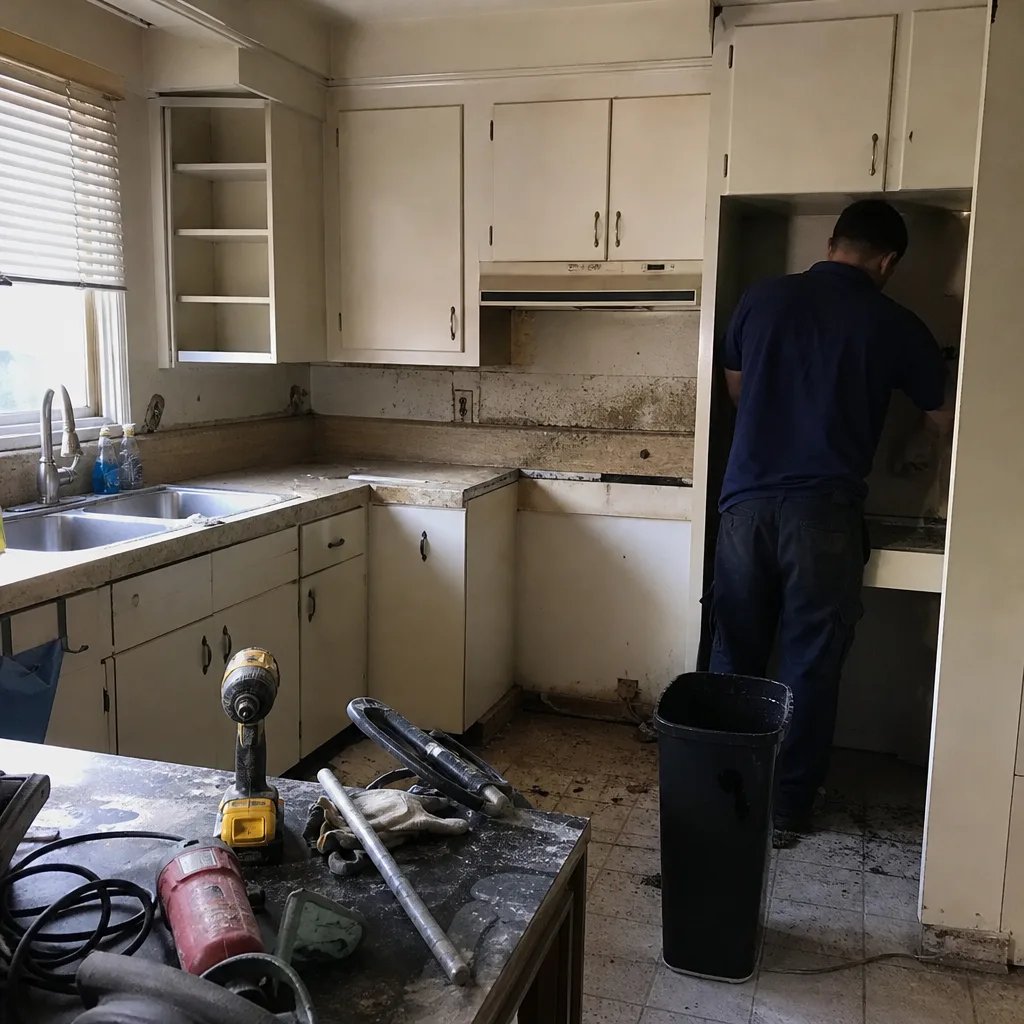
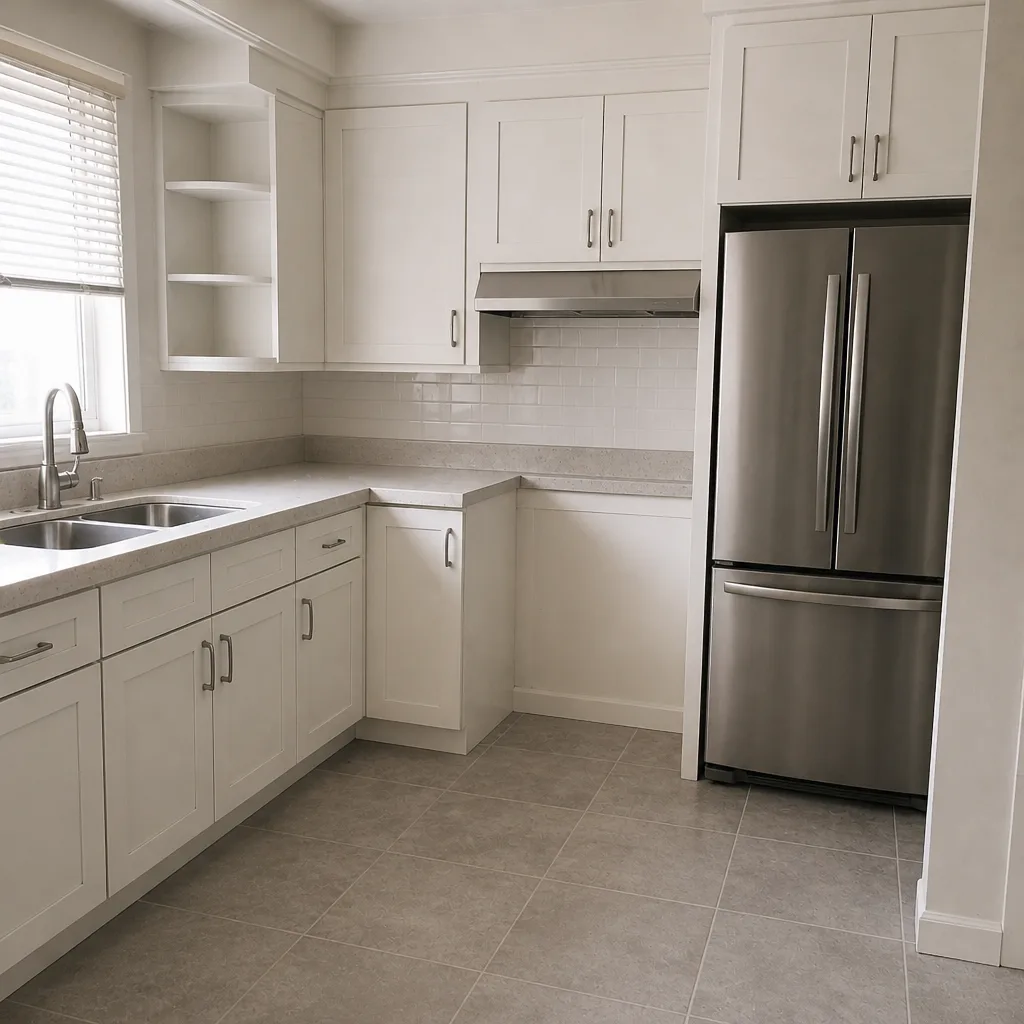
See the difference
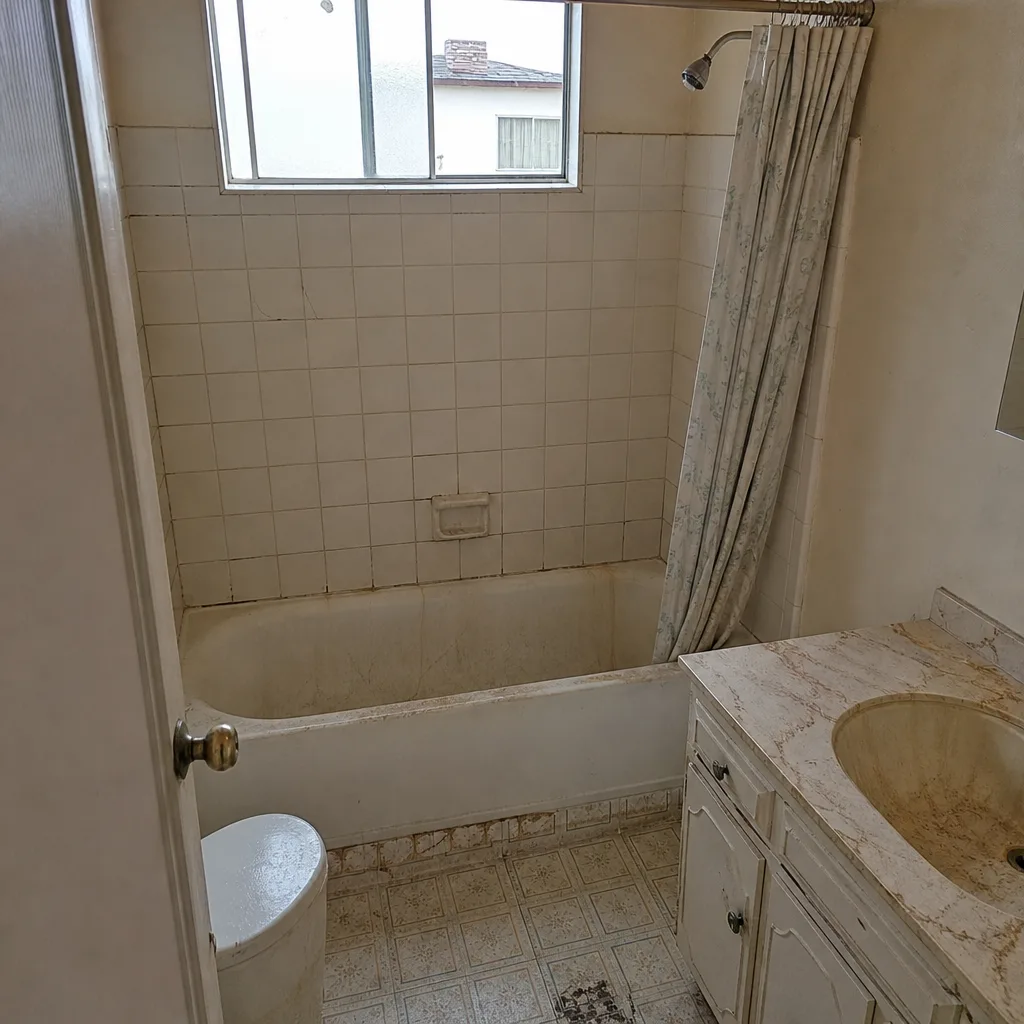 Before
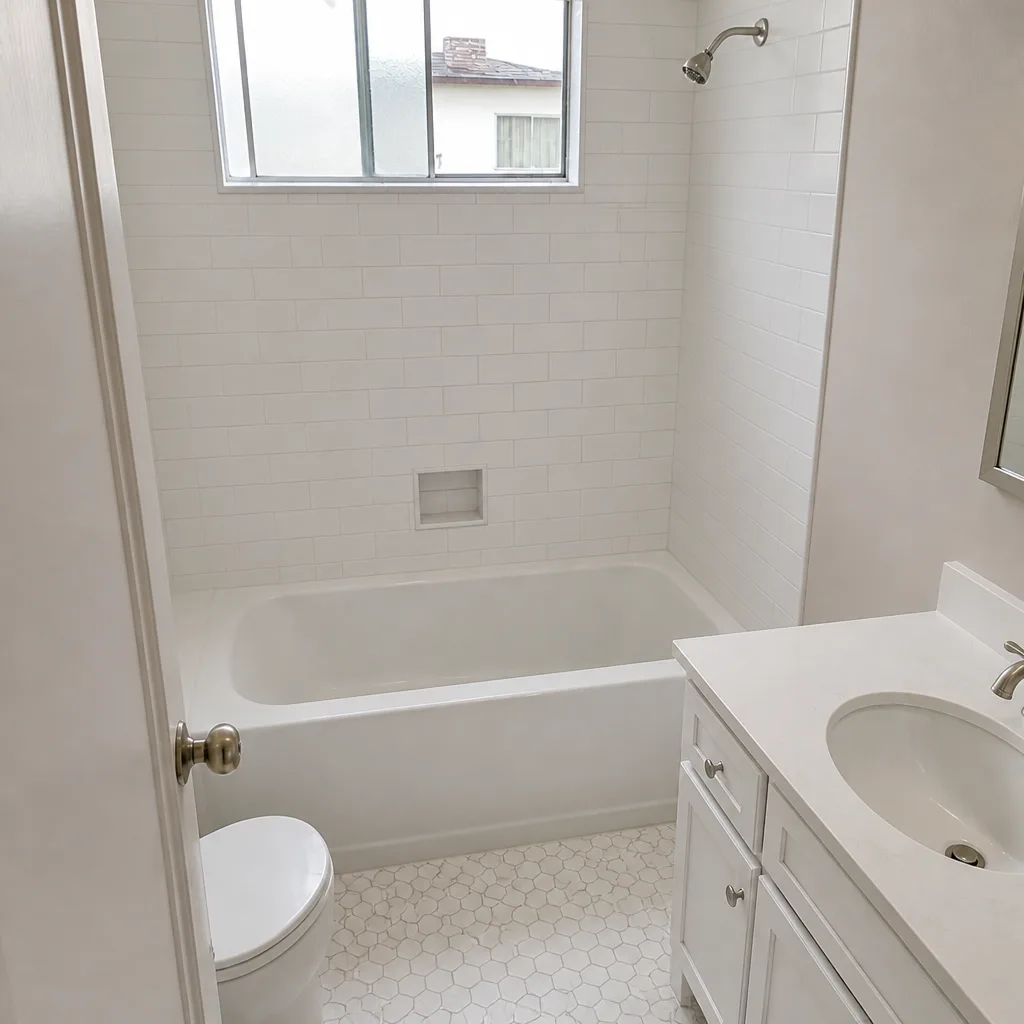 After
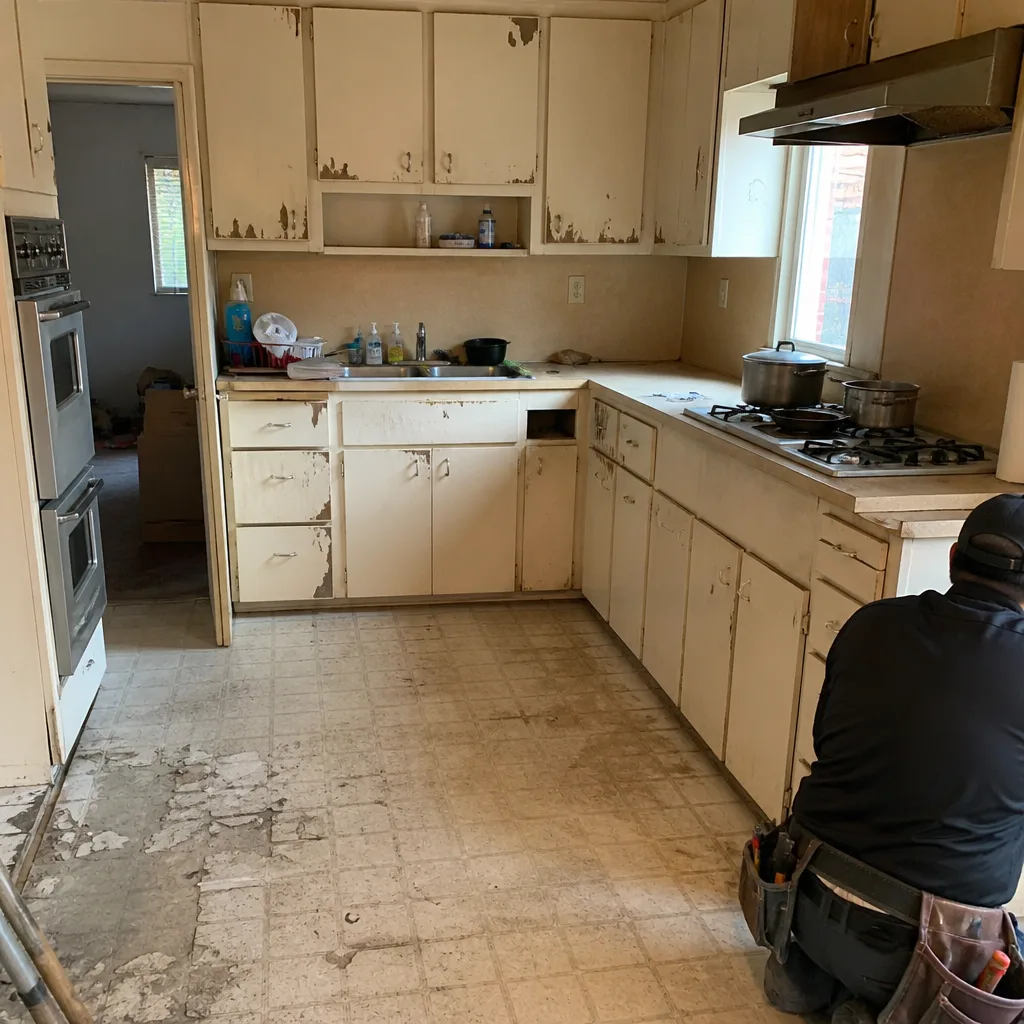 Before
 After
 Before
 After
When to Call a Professional
Call a contractor when your driveway has visible heaving, edge pavers tilting outward, standing water after rain, or joints that keep widening season to season. Call before an HOA submittal gets filed so the material spec and submittal go in together. Call if your project combines a driveway with a fence, roof, window, ADU, or kitchen scope, because an integrated plan sequences the work without gaps. And call if any paver crew is quoting a 4-inch base on Buena Park clay or skipping compaction testing: those are the inputs to a failure you’ll pay to fix later. Construction Buena Park offers free estimates in Buena Park. Call (833) 348-5952. We answer 24/7. Fast dispatch from 7am to 7pm, Sunday through Friday.
Frequently Asked Questions
Most Buena Park paver driveways run between $11 and $40 per square foot installed, with common residential material landing in the $14 to $30 range. Concrete pavers sit at the lower end, porcelain and travertine higher, and brick at the top of the band. The written, line-item estimate sets your final price. Call (833) 348-5952 for an exact quote; estimates are free.
At least 6 inches of compacted aggregate base for a driveway on Buena Park’s clay-heavy soils, installed in lifts and density-tested. Sites with soft spots or poor existing drainage often need more. The 4-inch base standard from other regions is often undersized here. Call (833) 348-5952 to schedule a free estimate and site review.
Neutral tan, sand, and gray pavers in running bond, herringbone, or basket weave usually clear Buena Park HOA architectural review without a fight. Bright whites, high-contrast two-tone grids, glossy porcelain, and unusual geometric patterns get flagged more often. Pull your CC&Rs and the submittal form before you lock in a color. Call (833) 348-5952 to coordinate the material spec with the submittal.
Often the answer depends on whether the project changes grading, drainage, or the impervious footprint, and permit rules live with the city’s building and public works departments. Ask the city directly for your specific project. Call (833) 348-5952 and we’ll include permit coordination as part of the project scope if a permit is required.
Pavers themselves rarely fail; the base under them does. When there isn’t enough base, compaction isn’t verified, or edge restraint isn’t anchored, Buena Park’s seasonal clay movement shifts the surface over a few seasons. Get the base spec and compaction testing in writing before the install. Call (833) 348-5952 to review your current driveway or plan a new one.
A typical two-car paver driveway takes 5 to 10 working days from demolition through final seal, depending on base depth, drainage work, and pattern complexity. Wet weather or unexpected utility conflicts push the schedule out. Call (833) 348-5952 to get a schedule with your free estimate; estimates are free.
Often yes, if the design includes an open-graded base and an underdrain rather than relying on infiltration alone. Permeable systems are usually optional in Buena Park for standard residential driveways, but they can become required when a project increases impervious coverage past city limits. Call (833) 348-5952 to review whether permeable pavers fit your specific lot.
Repair costs vary by cause. A spot repair for a few shifted pavers typically runs a few hundred dollars; a base failure that requires tearing out and rebuilding a section costs more. The written estimate sets the final price. Call (833) 348-5952 to schedule a free assessment.
The Bottom Line
A Buena Park driveway built on 6 inches or more of properly compacted base, correct grading, and anchored edge restraint will outlast a cheaper install by a decade or more. Material choice matters, but only after the base is right. Concrete pavers deliver the best value for most Buena Park homes, while travertine, porcelain, and brick serve as premium options for specific looks and lower-traffic areas. HOA submittals and stormwater grading get sorted before material orders are placed. Whether you’re installing a new paver driveway, planning a full-property remodel that includes home additions & ADU work, or coordinating a fence and roof upgrade alongside the hardscape, the goal is one accountable scope with no gaps. Construction Buena Park handles driveway & pavers, fence installation, home additions and ADU, bathroom remodeling, windows and doors, roofing, and kitchen remodeling as one project relationship with 50+ brand relationships across every category. Call (833) 348-5952 for a free estimate.
Written by the team at Construction Buena Park.