Last updated November 17, 2026



Free written scope consultation - allowances, timeline, and change-order rules on paper before a single trade is scheduled
DIY vs Professional Construction: The Buena Park Homeowner’s Decision Guide
Most homeowners in Buena Park frame this decision as a skill question: am I handy enough to do this myself? That’s the wrong first question. In California, the decision is really about licensure, permit eligibility, and liability. A homeowner can legally pull a permit for work on their own home and self-perform it, but doing so means taking on the role of contractor, including responsibility for the structural and safety outcomes, and the risk that a homeowner’s insurance claim years later gets denied because of unpermitted or self-performed work. The math looks very different once liability is part of the equation. In this guide, we lay out exactly which projects in Buena Park legally require a licensed contractor, which are honest DIY territory, and the hybrid model that many experienced owners here actually use.
Quick Answer
In Buena Park, DIY is honest territory for painting, basic tile work, cosmetic landscaping, and simple repairs that don’t touch structural, electrical, plumbing, or gas systems. Projects that require a permit, affect a system your homeowner’s insurance covers, or affect the insurability or resale of the property should go to a licensed contractor. The reason isn’t that homeowners aren’t capable; it’s that California’s contractor licensing and permit system shifts legal and financial liability onto whoever performs the work, and DIY puts that liability on you.
Styles & brands we work with
- Kitchen remodeling
- Bathroom remodeling
- Home additions & ADU
- Roofing
- Windows & doors
- Driveway & pavers
- Fence
Table of Contents
- What California Law Actually Requires of DIY Work
- The Insurance Angle Nobody Mentions
- The Honest DIY Viability Matrix
- How to Calculate True DIY Cost
- The Hybrid Model Buena Park Homeowners Actually Use
- Three Questions to Ask Before DIYing Any Project
- What DIY Work Does to Resale and Title
- When to Call a Professional
What California Law Actually Requires of DIY Work
California is stricter than most states about who can legally perform construction work, and that changes the DIY question. The state’s licensing framework assumes that most residential construction is performed by licensed contractors, and permit offices are set up around that assumption. A homeowner can still pull a permit on their own primary residence, but doing so is a formal declaration that they are acting as the general contractor for that job. That declaration has consequences.
Which projects typically require a licensed contractor regardless of homeowner skill level?
- Electrical work beyond swapping a fixture or outlet cover. New circuits, panel upgrades, subpanels, and anything that ties into the main service require a licensed electrician and an electrical permit. Most California cities won’t issue an owner-builder electrical permit for this scope of work.
- Gas line work of any kind. Running a new gas line to a range, dryer, or outdoor kitchen, or moving an existing one, is not a DIY project. It requires a licensed plumber and a gas permit, and the safety stakes are real.
- Structural changes. Removing a load-bearing wall, adding a beam, cutting a new opening, or altering a foundation is engineering territory. A permit is required, and the city will require stamped plans and a licensed contractor to sign on.
- Roof replacement and most reroofs. Roofing permits are required, and the permit pull is typically tied to a licensed roofing contractor because of the inspection sequence and the material warranty behind the work.
- Home additions and ADUs. A permitted addition or accessory dwelling unit almost always requires a licensed contractor with a general building classification. The plan check, inspection, and sign-off sequence isn’t practical for an owner-builder to navigate on anything above very minor scope.
For more on what a full-package contractor takes on in this environment, see our overview of Construction Buena Park. The takeaway for a DIY-minded owner is that the law doesn’t just evaluate whether you can perform the work; it evaluates whether the work legally belongs in your hands.
The Insurance Angle Nobody Mentions
Here’s the part of the DIY conversation that most guides skip. Homeowner’s insurance policies in California generally assume the property was built and maintained to code by licensed professionals. When a claim is filed that traces back to unpermitted or self-performed work, insurers have grounds to deny coverage, and they sometimes do. This isn’t a scare tactic; it’s how property policies are written.
Consider a scenario that’s entirely legal but risky. A homeowner pulls an electrical permit, wires a new subpanel to code, and the work passes inspection. Years later a fire starts in that subpanel and the insurer’s investigator finds the work was performed by the homeowner rather than a licensed electrician. Depending on the policy language, the claim could be contested even though the work was permitted. Unpermitted work is even riskier because the record itself suggests the homeowner knew the work wasn’t being inspected.
A comparable set of questions comes up around storm and wind-driven rain damage. If water enters through a window or roof defect and the claim touches work the homeowner replaced themselves, the adjuster will ask for the permit history. In Buena Park’s mild-winter, dry-summer climate, the most common claim triggers we see come from wind events and long rainstorms, not cold. A roof or window replacement done without a permit can sit invisible for years until a claim forces it into view.
Two practical rules come out of this:
- Before DIYing anything that touches a system your policy covers (roof, plumbing, electrical, structural), read your policy’s improvement and alteration clauses.
- If you’re uncertain, ask your insurance agent in writing whether the work would be covered if you performed it yourself. Get the answer in writing because verbal assurance has a short shelf life.
The Honest DIY Viability Matrix
We’ve seen enough Buena Park projects to know that the DIY line isn’t clean, and any guide that says “hire a pro for everything” or “just do it yourself” is selling something. Here’s a more honest placement of common projects along the DIY spectrum.
Genuinely DIY territory
- Interior painting. No permit, no structural impact, and the skill curve is shallow. Prep and masking take longer than rolling walls, but the work is yours to own.
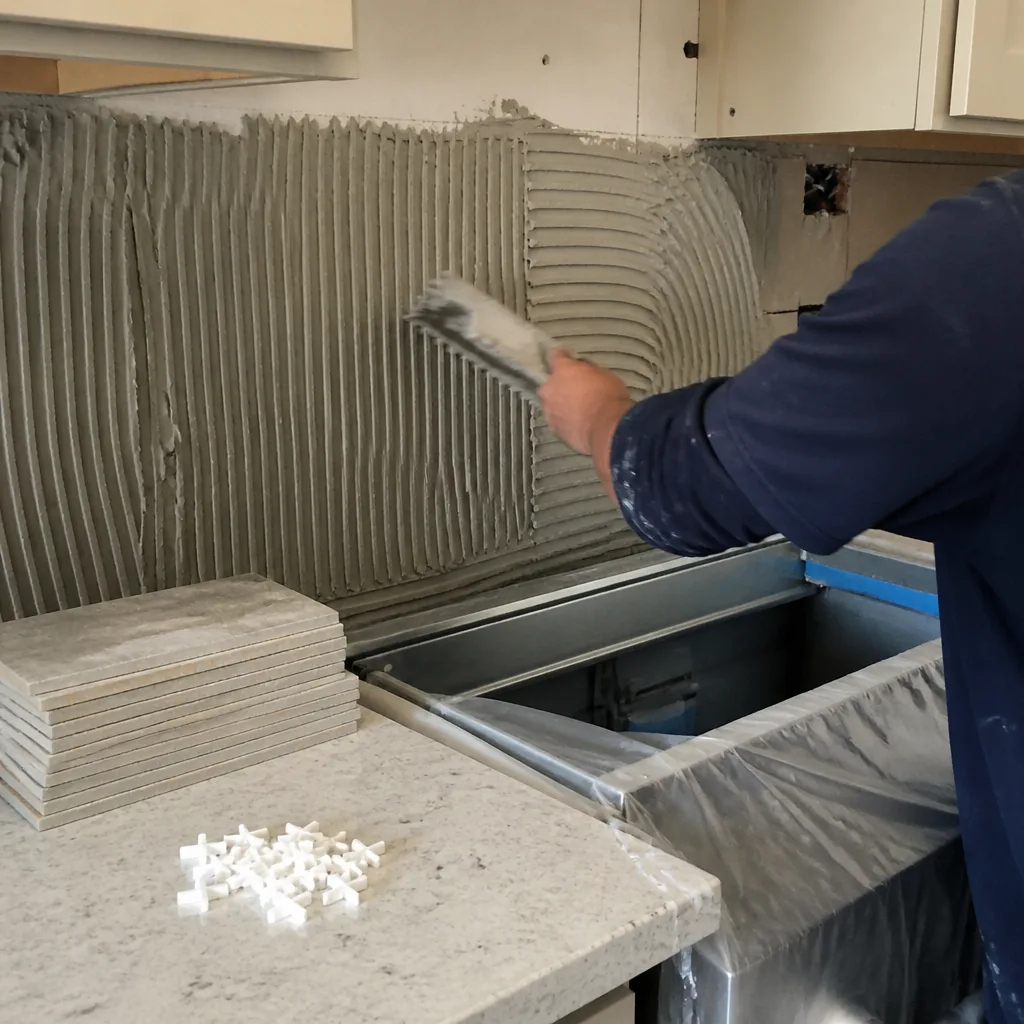
- Basic tile work on floors and backsplashes. Cosmetic tile doesn’t require a permit in most cases, and the materials are forgiving of learning curves. Skip this one for a shower pan or anything in a wet zone with a waterproofing layer; those need to be done right the first time.
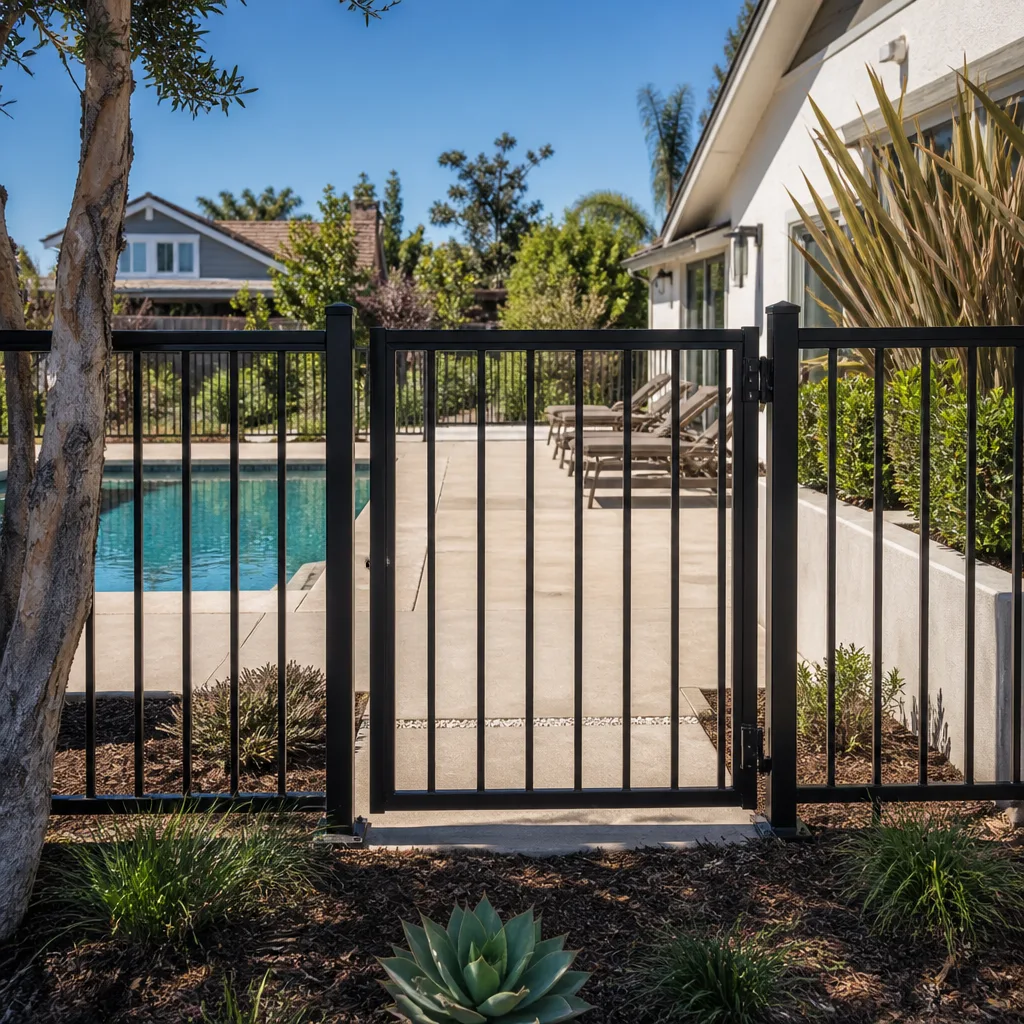
- Simple fencing on an existing, permitted fence line. Like-for-like replacement of wood fence panels along the same line, at the same height, typically doesn’t require a new permit. Full fence replacement, height changes, and any change to where the fence sits on the property line do require more scrutiny, and our team covers the details on our fence installation page.
- Landscaping and planting. Plants, mulch, drip irrigation lines off an existing hose bib, and low garden walls under a certain height are all fair game.
- Cosmetic swaps. Switching out a light fixture or an existing faucet for a like-for-like replacement is a reasonable DIY project if you turn off the breaker or shutoff first and follow the manufacturer’s instructions.
Grey area, proceed with caution
- Drywall repair and small patch jobs. Cosmetic, but if the patch hides new plumbing or electrical, the permit question comes back.
- Interior door and trim replacement. Generally fine, but a door that’s part of an exterior wall is a different story.
- Closet or storage build-outs. No permit for freestanding units; a permit for anything that becomes a permanent room or changes the wall structure.
Never DIY territory
- Electrical panel work, subpanels, new circuits, and panel upgrades. Fire and shock risk, insurance exposure, and permit requirement all line up against DIY.
- Gas lines of any kind. Non-negotiable.
- Structural changes. Removing walls, beams, new openings, foundation work, and additions.
- Roof replacement. Height work, permit requirements, and material warranties all push this to a licensed roofer.
- Anything that touches the building envelope in a way that could cause water intrusion. Window and door replacements, roof penetrations, and stucco or siding work.
For a closer look at how we draw the same line on paver and hardscape work, our driveway & pavers page walks through what changes when the scope gets bigger than a cosmetic refresh.
How to Calculate True DIY Cost
The most common mistake we see in DIY budgeting is comparing the finished material cost at the home improvement store against a contractor’s estimate. That’s not a comparison; it’s a subset. A real DIY cost calculation includes several line items that most homeowners forget.
Step-by-step, here’s the calculation we’d recommend running before you commit to DIY:
- Material cost with waste factor. Add 10 to 15 percent for tile, lumber, paint, and pavers. Cut mistakes, breakage, and off-cuts eat that buffer fast, and a second trip to the store for a single box of tile is easy to underestimate.
- Tool rentals and purchases. A tile saw, a jackhammer, a compactor, a nail gun, a framing nailer, and a drywall lift all rent. List every tool the project needs and price the rental.
- Permit fees. Homeowners can pull their own permits in Buena Park and most surrounding cities, but the fees still apply and the inspection sequence still runs. Budget the permit fee and the time to pull it.
- Disposal. Demo debris, old roofing, old fence panels, and old fixtures all cost money to haul. A construction debris bin in this region runs several hundred dollars per pull, and roofing and pavement demo often need more than one.
- Time at your hourly rate. Be honest here. A 200-square-foot kitchen tile job that takes you three weekends is three weekends of your time. If your hourly rate is what your employer pays you, multiply it by the hours, and the DIY savings narrows quickly.
- Redo risk. Budget a 10 to 20 percent contingency for redo work. Every experienced DIYer will tell you the first attempt at a shower pan, a stair stringer, or a window buck rarely survives the first inspection.
For projects that involve a full exterior or roof scope, the calculation almost always favors hiring. Roofing systems from GAF, CertainTeed, and Owens Corning carry installation warranties that only activate when a qualified contractor installs, so a DIY roof saves material cost and gives up the warranty. That tradeoff rarely makes sense on anything beyond a small repair.
The Hybrid Model Buena Park Homeowners Actually Use
The binary “DIY vs. hire” framing misses the middle ground that a lot of experienced owners in Buena Park actually occupy. The hybrid model is simple: self-perform the low-skill, low-risk work, and hire licensed trades for anything that affects permit sign-off. The permit is the dividing line.
What hybrid self-performance typically looks like:
- Demo and haul-away. Tearing out old kitchen cabinets, pulling tile, removing a fence line, or stripping a bathroom down to the studs is labor-heavy and risk-light. If it’s coming out and not staying, it’s usually fair to self-perform.
- Site prep and excavation. Clearing brush, moving soil, and setting the rough grade for a paver base are labor-credit work if the licensed crew comes in behind you for the structural layers.
- Painting and finish work. After the contractor is done and the inspections are closed, interior painting and trim work remain reasonable owner scope.
- Material selection and purchasing. You can buy your own tile, fixtures, and cabinets, and many homeowners around Buena Park do. Just be sure the schedule lines up with the contractor’s install windows; late material is the single biggest cause of hybrid projects running long.
What doesn’t belong in the hybrid scope:
- Any electrical beyond a like-for-like fixture swap
- Any gas work
- Any structural framing or beam installation
- Any waterproofing membrane scope
- Any roofing, window, or door installation that carries a manufacturer warranty
The hybrid model works because it credits your labor where labor is most of the cost and lowest of the risk, while preserving the licensed scope where the permit and insurance consequences live. Our team handles the licensed scope of hybrid projects frequently, and the sequencing conversation is where most hybrid projects succeed or fail. The topic comes up most on additions and ADU work; see home additions & ADU for how that scope is typically structured.
Three Questions to Ask Before DIYing Any Project
Before any project in Buena Park moves into the DIY column, run three questions in order. If any of them comes back with a yes, the project should go to a licensed contractor.
1. Does it require a permit?
Call the city’s building department or check the permit requirements for your project type. Adding a wall, running new electrical, replacing a roof, installing a fence above a certain height, and installing a water heater all sit firmly on the permit side. If the answer is yes, the follow-up question is whether an owner-builder permit is available for that work, and whether the inspections will require a licensed sign-off. In Buena Park and most of Orange County, structural, electrical, and gas work effectively require a licensed contractor.
2. Does it affect a system covered by my homeowner’s insurance?
Roof, plumbing, electrical, and structural work are the four systems that carry the biggest insurance exposure. If the answer is yes, get your insurer’s position in writing before you start. Unpermitted or self-performed work being denied a claim is a story we hear far more often than you’d expect.
3. Will it show up in a future title search?
Permitted work shows up in the permit record. Unpermitted work sometimes surfaces during a title search when a buyer’s lender requests permit history as part of the sale. A buyer’s lender can and does decline to fund a mortgage on a home with unpermitted significant work, and title insurers can add exceptions. If your project would create a new room, change the footprint, or materially alter a major system, treat it as the kind of work that future buyers will see.
All three questions are about legal and financial exposure rather than skill. That’s the honest way to run the Buena Park DIY calculation.
What DIY Work Does to Resale and Title
Buena Park’s housing stock is a mix of older single-family homes and newer townhome communities, and every one of them will pass through a title search and a buyer’s inspection at some point. What buyers and their agents care about isn’t whether the work was done by a contractor; it’s whether the work was permitted and inspected. A well-executed DIY kitchen backsplash that didn’t need a permit is a non-event at resale. A beautiful DIY bathroom that includes a shower rebuild with no permit behind it is a disclosure item that can cost weeks of negotiation or a price reduction.
Three factors matter most at resale:
- Permit record. Buyers can pull the permit history from the city. Gaps in that record at significant alteration points invite questions.
- Disclosure obligations. California sellers are required to disclose known material defects and unpermitted work, and a seller who fails to disclose unpermitted work can face a buyer’s claim after closing.
- Lender underwriting. Buyers financing the purchase will have an appraiser inspect the home. Materially different room counts, additions not reflected on the assessor’s record, and structural changes without permits can trigger a second appraisal or financing problems.
What buyers rarely care about:
- Who installed the interior paint
- Whether the homeowner tiled their own backsplash
- Whether the homeowner replaced their own fence panels at the same height and location
The cleanest resale posture is straightforward: self-perform the cosmetic and labor-credited work, and hire the licensed trades for anything that changes the permit record. That approach costs the homeowner less than hiring everything out, and it leaves the resale disclosure in strong shape.
Common Mistakes to Avoid
- Assuming the permit question is optional. A significant share of DIY regret around Buena Park traces back to work that was technically fine but not permitted. Run the permit question before the design decision, not after.
- Skipping the tool rental and disposal costs in the budget. The two most commonly ignored line items in a DIY plan are the tool rental total and the debris haul cost. Both can add four figures to a mid-sized project.
- Building a hybrid project without sequencing the licensed scope first. When a homeowner dies into demo before a licensed contractor is on calendar, the project stalls. Book the licensed scope first, then self-perform demo and prep into the contractor’s start window.
- Choosing the household name brand over the installation warranty. A premium roofing system installed by an unqualified installer has no warranty. Shop the installer, not the shingle.
- Underestimating the time cost of the second phase. DIY projects usually run 30 to 50 percent longer than the homeowner’s original estimate. Budget accordingly.
- Tackling a wet-zone tile job without professional waterproofing. A shower pan and waterproofing membrane are not beginner territory. The failure mode is water intrusion behind the wall, and it’s expensive to fix.
- Deferring the insurance conversation until after the work is done. Call the agent before the first permit, not after the final inspection.
See the difference
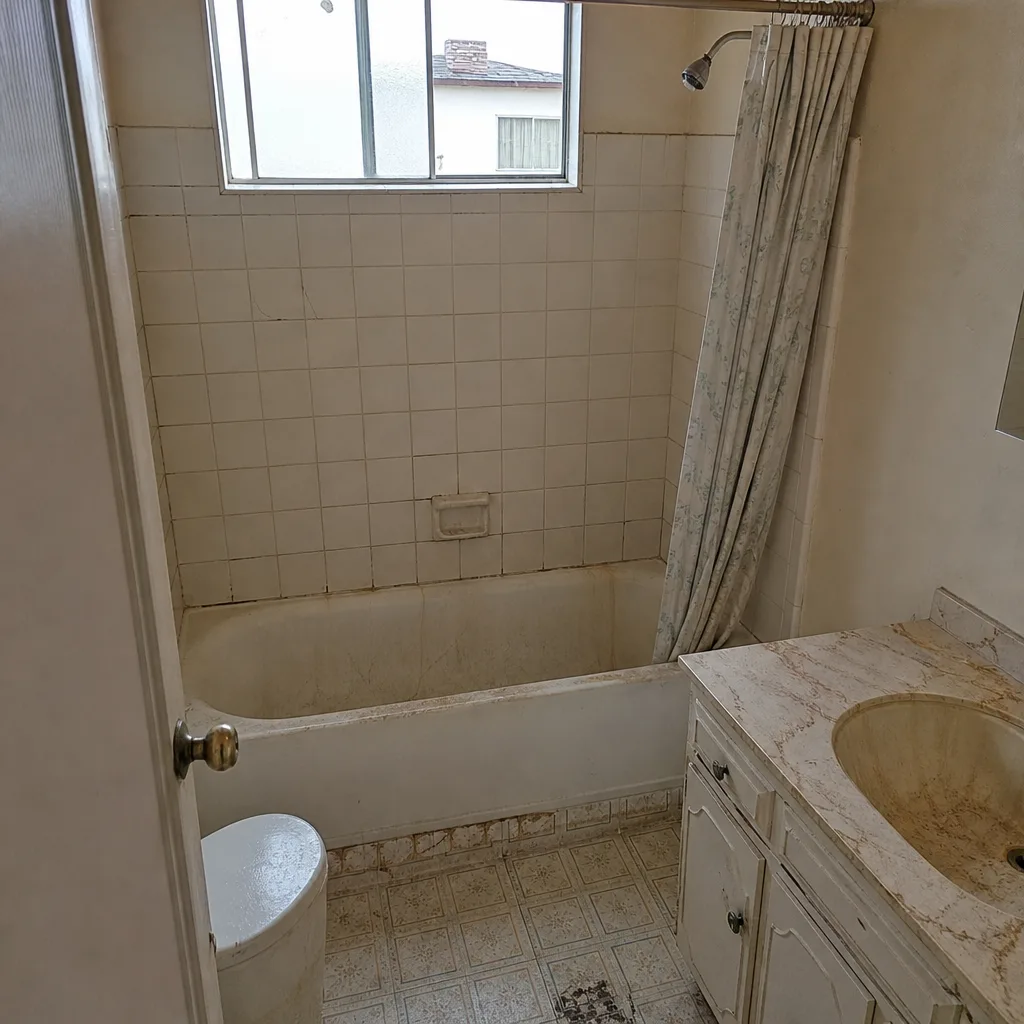 Before
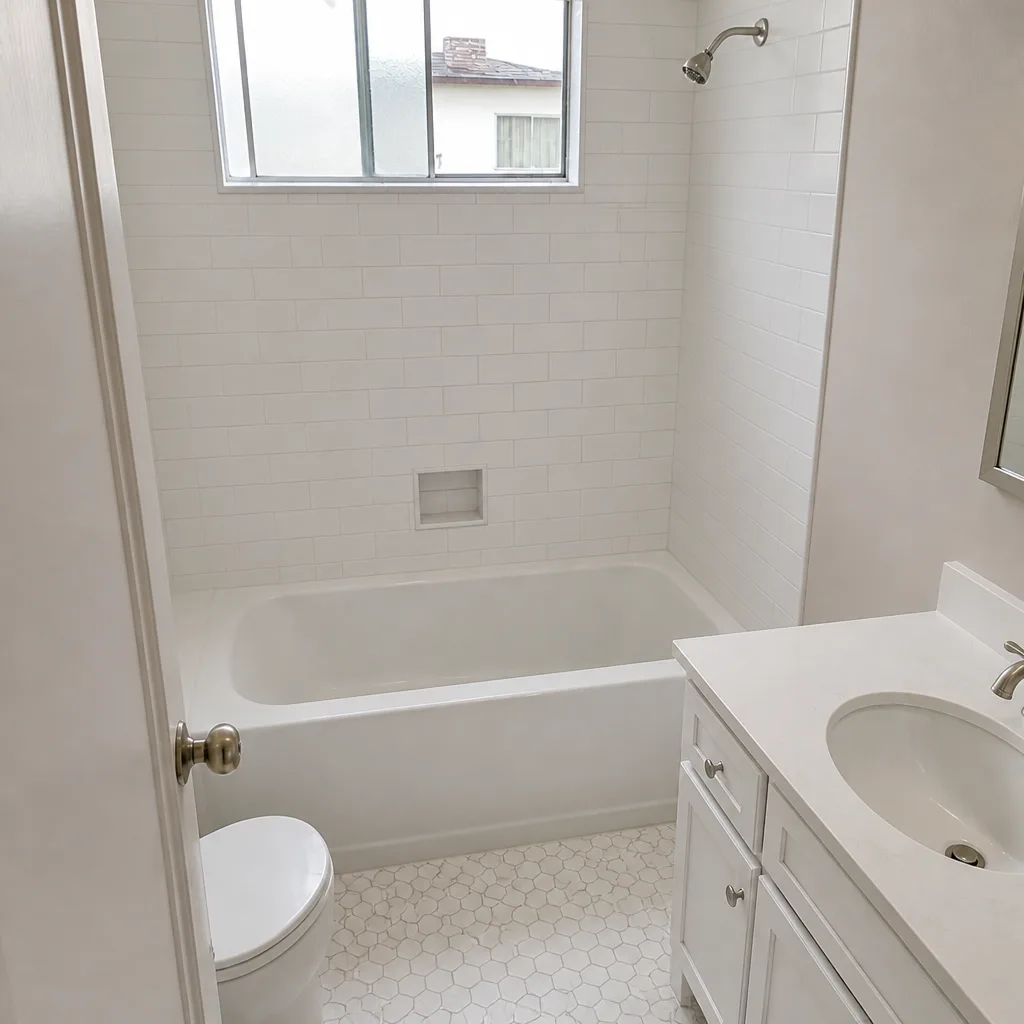 After
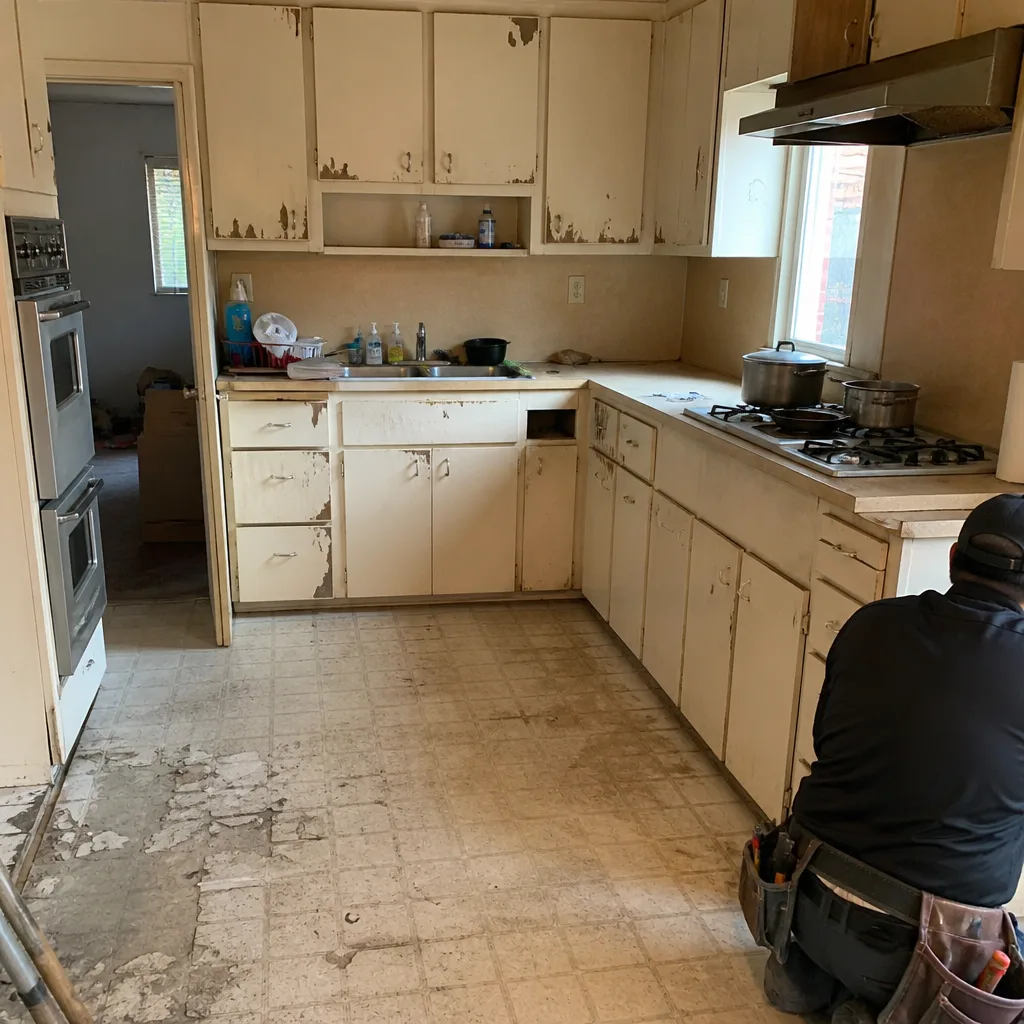 Before
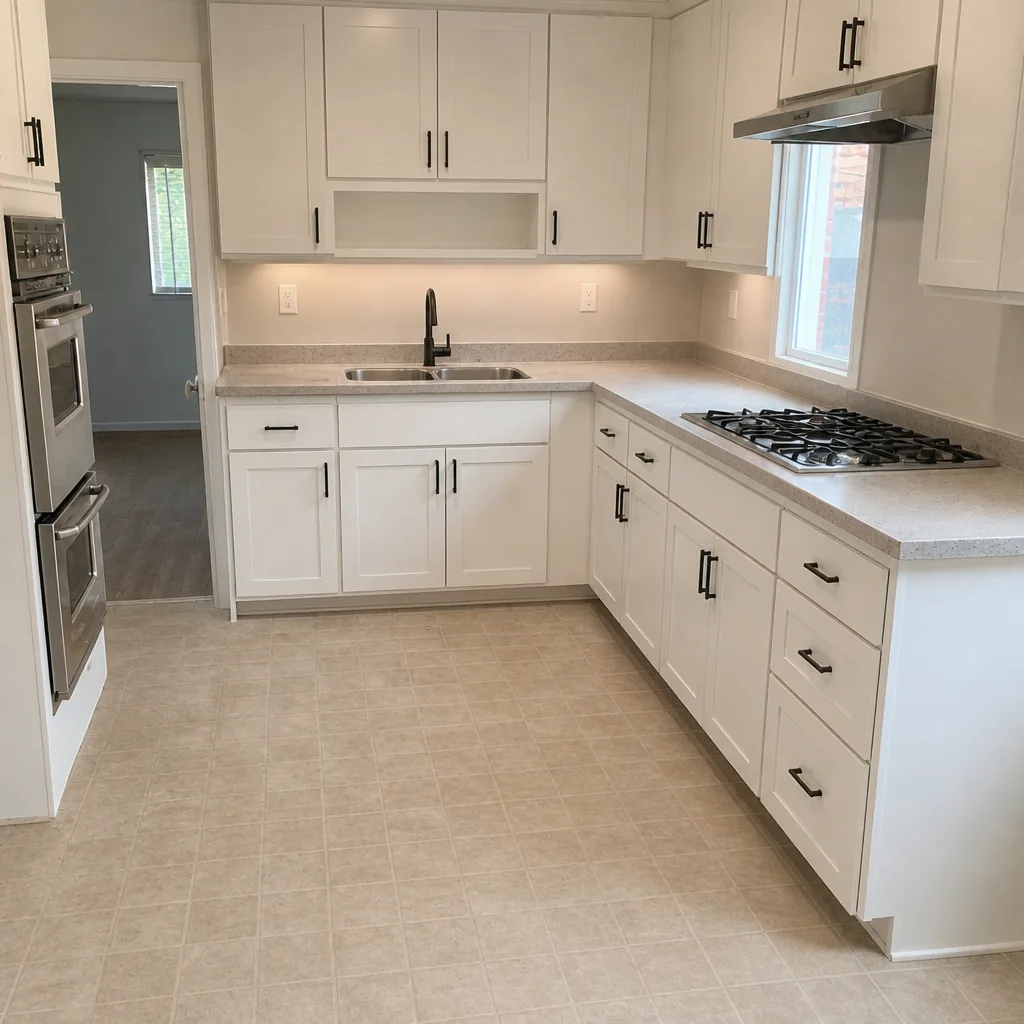 After
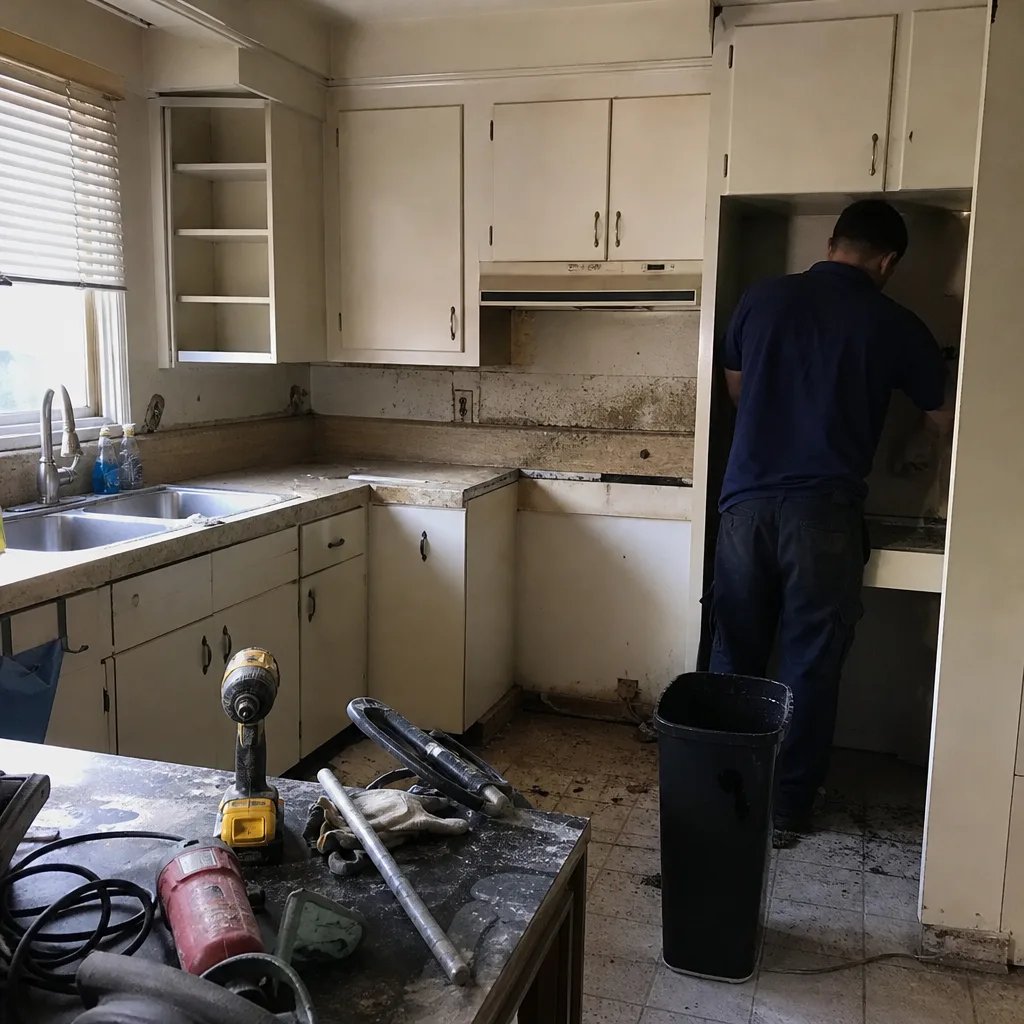 Before
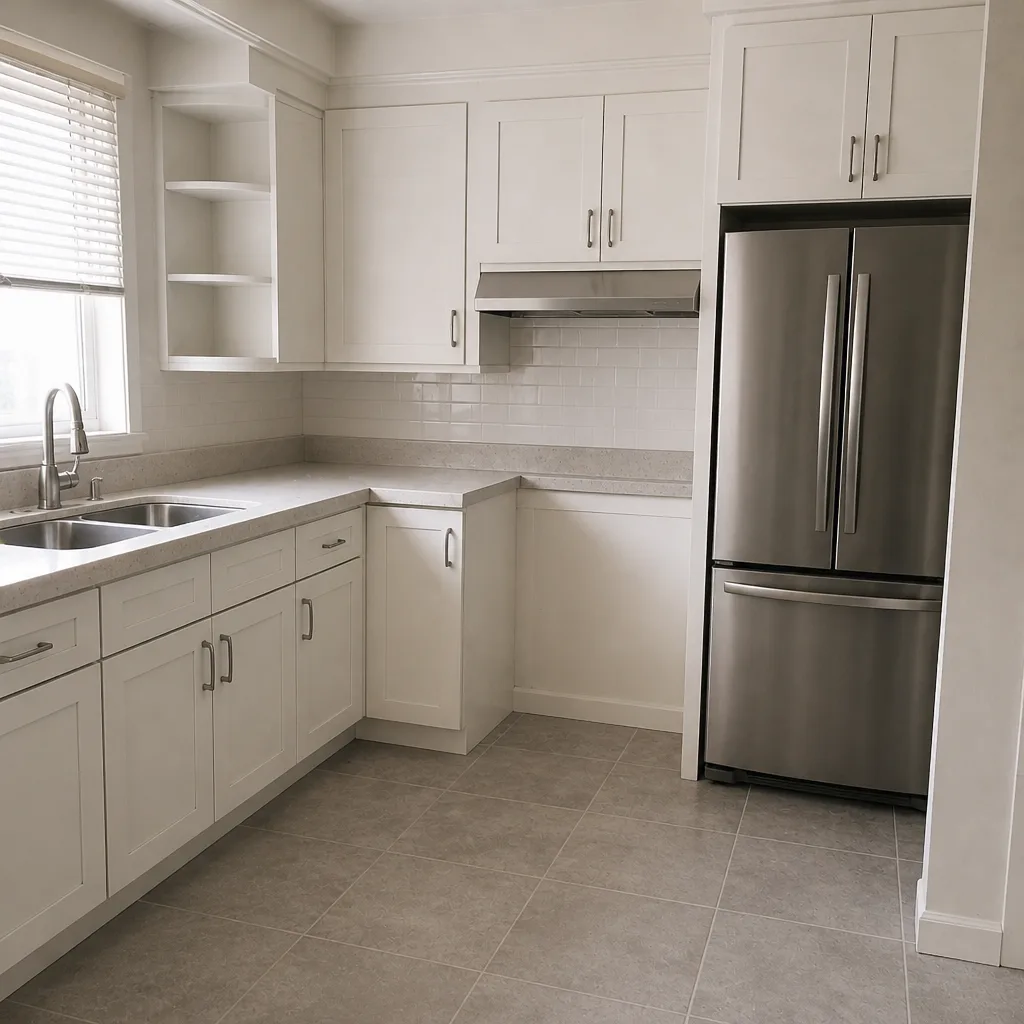 After
When to Call a Professional
Call a licensed contractor in Buena Park when any of the following apply: your project requires a permit that can’t be pulled by an owner-builder for the scope involved, the work touches electrical, gas, structural, or roofing systems, your homeowner’s insurance would treat the work as a covered improvement, or your project would change the footprint, room count, or a major system in a way that will show up in a title search. Call us if the project is one you want to be finished and inspected correctly, without you having to learn the permit system under time pressure. Construction Buena Park offers free estimates in Buena Park. Call (833) 348-5952 to talk through scope, permits, and what parts of the project a hybrid approach can credit to your own labor.
Frequently Asked Questions
Yes, in most cases you can pull an owner-builder permit for work on your primary residence, but the scope of work that qualifies for owner-builder permitting is narrower than most homeowners expect. Structural, electrical, and gas work will typically require a licensed contractor regardless of the homeowner’s experience, and pulling an owner-builder permit makes you the general contractor for that job, with liability for the outcome. Call (833) 348-5952 if you want to talk through what a specific scope would require before you commit to the DIY path.
It can, especially if a future claim traces back to the unpermitted work. Most policies assume the home was built and maintained to code, and an insurer’s investigation of a claim often starts with the permit history. Get your agent’s position in writing before starting any work that touches roof, electrical, plumbing, or structural systems. Call (833) 348-5952 for an exact quote on the licensed version of that same scope; estimates are free.
Painting, basic tile on floors and backsplashes, cosmetic landscaping, like-for-like fence panel replacement, and simple fixture swaps are the safest DIY projects in Buena Park. These don’t typically require a permit and don’t touch systems that affect insurance or resale. Call (833) 348-5952 if you’re unsure where the line falls on your specific project.
Often, but the savings are narrower than the material-cost comparison suggests. Add tool rental, waste factor, disposal of old materials, permit fees if applicable, and your time at your own hourly rate, and a paver driveway or full fence replacement usually shrinks the gap significantly. The labor-credit hybrid model (self-perform demo, hire licensed install) is usually where the real savings are. Call (833) 348-5952 for a free estimate on the licensed portion.
Unpermitted work can surface in a title search, particularly if it alters the footprint, room count, or a major system of the home. Permitted work will always show up in the permit record, which is generally a positive at resale because it documents the quality of the work. If you’re planning work that would change the footprint of your home, treat it as something future buyers will see. Call (833) 348-5952 to discuss whether the scope you’re considering requires a permit.
The hybrid model means self-performing the low-skill, low-risk scope (demo, haul-away, painting, site prep) while hiring licensed trades for anything that affects permit sign-off. It usually saves meaningful money on medium-sized projects because those labor line items are where the savings live. The sequencing has to be managed carefully; the licensed scope comes first on the calendar, not last. Call (833) 348-5952 to talk through how the hybrid approach would play out on your project.
The Bottom Line
The DIY question in Buena Park isn’t really about skill. It’s about whether the work belongs legally and financially in your hands once permits, insurance, and resale are on the table. Painting, basic tile, cosmetic landscaping, and like-for-like fence panels belong in the DIY column. Electrical, gas, structural, roofing, additions, and anything that changes the permit record belong in the licensed contractor column. The hybrid model, self-performing demo and low-skill prep while licensed trades handle the permit scope, is where most experienced homeowners in Buena Park find real savings with real protection. If you’re weighing which side of that line your project falls on, Construction Buena Park offers free estimates. Call (833) 348-5952. We answer 24/7. Fast dispatch from 7am to 7pm, Sunday through Friday.
Written by the team at Construction Buena Park.